China blocks Meta’s $2B Manus deal after months-long probe

China has ordered Meta to unwind its multibillion-dollar Manus acquisition, dealing a potential setback to Zuckerberg’s push into AI agents. Source: AI News & Artificial Intelligence
China has ordered Meta to unwind its multibillion-dollar Manus acquisition, dealing a potential setback to Zuckerberg’s push into AI agents. Source: AI News & Artificial Intelligence

The phone could go into mass production in 2028, an analyst says. Source: AI News & Artificial Intelligence
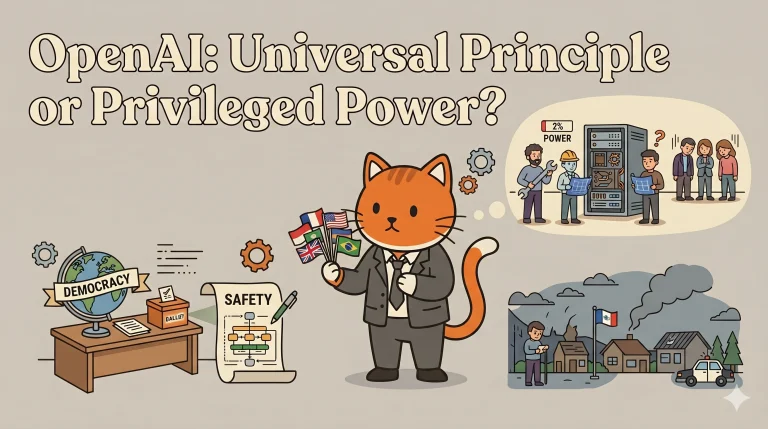
In a recent development, Sam Altman, CEO of OpenAI, introduced a set of guiding principles aimed at ensuring the responsible use of artificial intelligence. However, these principles came to light just after a significant incident involving AI misuse, raising concerns about their timely implementation. Critics argue that the late arrival of these guidelines underscores the urgent need for proactive measures in the rapidly evolving tech landscape. As AI continues to advance, the call for robust ethical standards and accountability becomes increasingly critical to prevent potential harms. This situation highlights the ongoing challenges in balancing innovation with safety in the realm of artificial intelligence.

Meta has announced a groundbreaking agreement to harness solar power generated in space, allowing for energy to be beamed back to Earth for nighttime use. This innovative project aims to enhance renewable energy accessibility and sustainability, addressing the challenges of solar energy reliance on daylight. By utilizing advanced technology to transmit energy from orbit, Meta is positioning itself at the forefront of the clean energy revolution. The initiative reflects the company's commitment to reducing its carbon footprint and exploring new frontiers in energy production, potentially transforming how we think about and use solar power in the future.
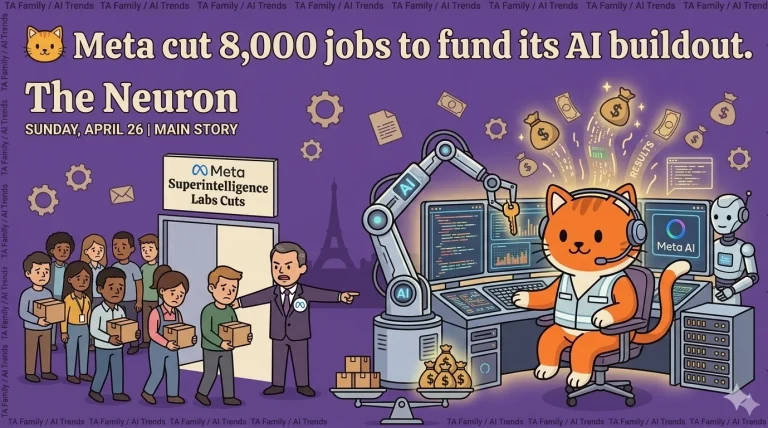
In a humorous twist on workplace dynamics, a viral meme highlights the stark choices employees face in modern office culture: "You're either Jeremy or you're cut." This phrase encapsulates the pressure many feel to either conform to the prevailing corporate persona or risk being sidelined. The meme resonates widely, tapping into the frustrations of those navigating competitive environments where individuality often clashes with corporate expectations. As the conversation around work-life balance and authenticity continues to evolve, this lighthearted take serves as a reminder of the importance of finding one's place in the workplace without losing personal identity.
A unique Bay Area home is up for sale, but potential buyers will need to possess equity in Anthropic, an artificial intelligence company, to make a purchase. This unusual requirement stems from the seller's ties to Anthropic, where they are seeking to capitalize on the company's rising valuation and the burgeoning AI market. The property, located in a desirable neighborhood, reflects the growing trend of tech professionals leveraging their stock options and equity in startups to navigate the competitive real estate landscape. As the demand for homes in the Bay Area continues to escalate, this listing highlights the intersection of technology and housing in a rapidly evolving market.

Anthropic has launched a groundbreaking test marketplace designed for agent-on-agent commerce, enabling AI systems to engage in transactions with one another. This innovative platform aims to facilitate the development and testing of AI agents that can negotiate, trade, and collaborate autonomously. By creating a structured environment for these interactions, Anthropic hopes to advance the capabilities of AI systems and explore the implications of automated commerce. The initiative underscores the growing interest in AI-driven economic models and the potential for agents to operate independently in complex marketplaces. This move marks a significant step in the evolution of AI technology and its applications in real-world scenarios.

Maine's Governor Janet Mills has vetoed a proposed moratorium on new data centers in the state, a decision that has sparked significant debate among lawmakers and environmental advocates. Proponents of the moratorium argued that it was necessary to assess the environmental impacts of data centers and their energy consumption, particularly in light of growing concerns about climate change. However, the governor emphasized the importance of fostering economic growth and technological innovation, asserting that a ban could hinder job creation and investment in Maine's economy. The veto has reignited discussions about balancing economic development with environmental stewardship in the state.

OpenAI CEO Sam Altman has issued a public apology to the residents of Tumbler Ridge, a small community in British Columbia, following the controversial decision to relocate an artificial intelligence research facility to a nearby city. The move sparked concerns among locals about potential job losses and the impact on the community's economy. Altman expressed regret for not engaging with the community earlier in the decision-making process and emphasized OpenAI's commitment to fostering positive relationships with local stakeholders. The apology aims to mend ties and reassure residents of the company's dedication to supporting the region's growth and development.

Cohere, a prominent player in natural language processing, is merging with Aleph Alpha, a leading AI startup based in Germany. This strategic merger aims to enhance their capabilities in developing advanced AI models and solutions, allowing them to compete more effectively in the rapidly evolving AI landscape. By combining their resources and expertise, the two companies hope to accelerate innovation and expand their market reach. The merger reflects a growing trend in the tech industry, where collaboration is increasingly seen as essential for driving progress and maintaining competitiveness in AI technology.