Category AI

AI Skill of the Day Digest: April 2026 (Week 5) New Skills
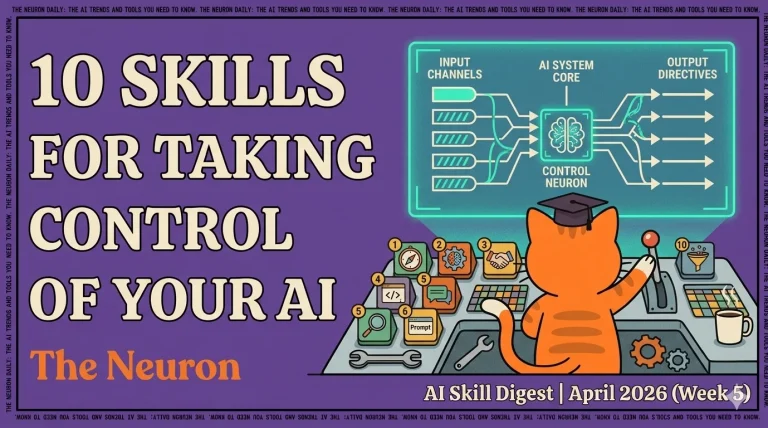
In the latest edition of the AI Skill of the Day Digest for April 2026, Week 5, a range of innovative skills have been introduced to enhance user capabilities in artificial intelligence. This week's focus includes advanced machine learning techniques, natural language processing enhancements, and tools for ethical AI development. As industries increasingly rely on AI, these new skills aim to equip professionals with the necessary expertise to navigate complex challenges. The digest serves as a valuable resource for individuals looking to stay ahead in the rapidly evolving tech landscape, emphasizing the importance of continuous learning in AI.
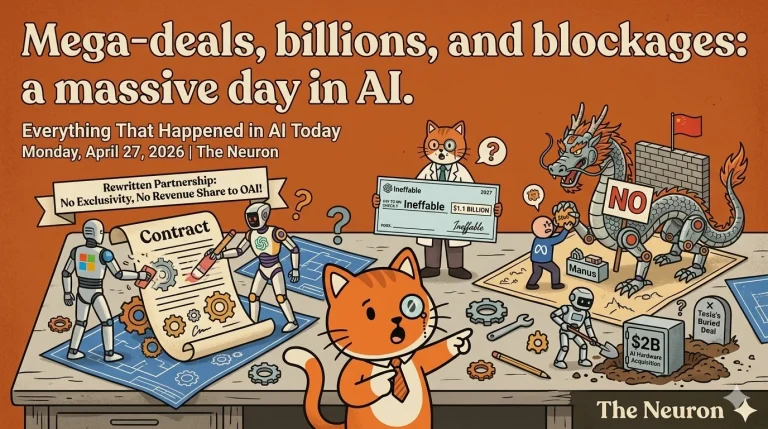
Around the Horn Digest: Everything That Happened in AI Today (Monday, April 27, 2026)

On April 27, 2026, significant advancements in artificial intelligence were reported, highlighting the rapid evolution of the technology. Major tech companies announced breakthroughs in natural language processing, enabling more intuitive human-computer interactions. Additionally, new ethical guidelines for AI development were introduced, aiming to address concerns about bias and privacy. The day also saw discussions around the integration of AI in various sectors, including healthcare and education, emphasizing its potential to enhance efficiency and accessibility. Overall, the developments reflect a growing recognition of AI's transformative impact on society and the importance of responsible innovation.

OpenAI’s Rumored Phone Is the Clearest Sign Yet That AI Agents Need Hardware

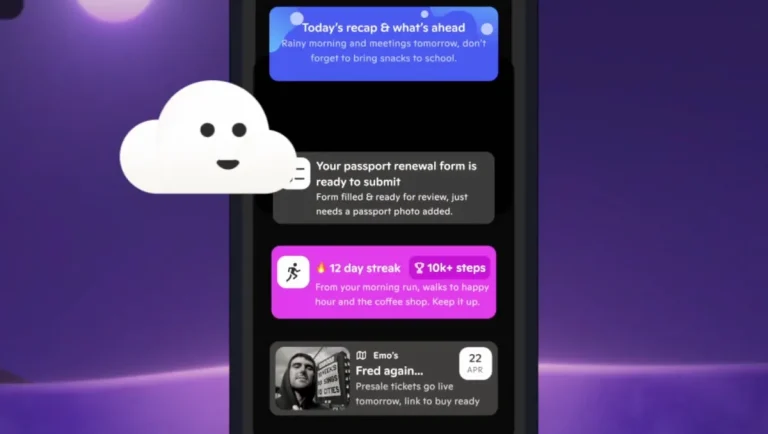
OpenAI is reportedly developing its own smartphone, signaling a significant shift in the integration of artificial intelligence with hardware. This move highlights the growing need for AI agents to operate on dedicated devices, allowing for enhanced performance and user experience. As AI technology becomes increasingly sophisticated, the demand for tailored hardware solutions is more apparent, suggesting that companies may need to create specialized devices to fully leverage AI capabilities. The rumored smartphone could set a precedent for future innovations in AI and technology, underscoring the importance of hardware in the evolution of intelligent systems.

OpenAI ends Microsoft legal peril over its $50B Amazon deal

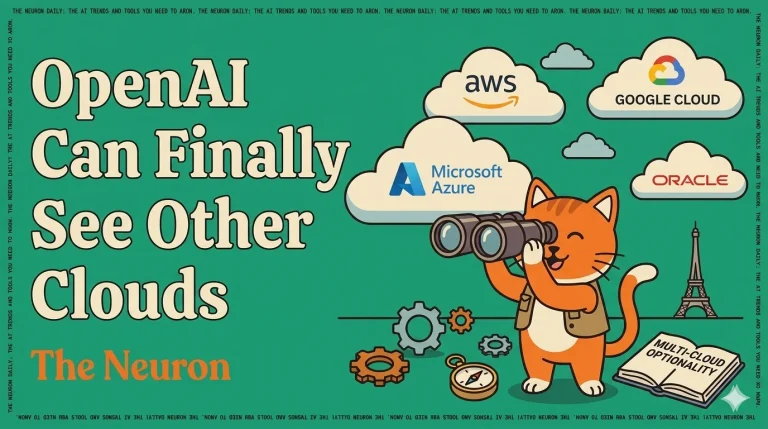
OpenAI has successfully resolved its legal concerns regarding Microsoft's $50 billion acquisition of Activision Blizzard, alleviating potential complications for its partnership with Microsoft. The legal hurdles stemmed from a complaint filed by the Federal Trade Commission (FTC), which questioned the implications of such a significant merger on competition. With the resolution, OpenAI can now continue to collaborate with Microsoft without the looming threat of litigation affecting their operations. This development not only strengthens their alliance but also underscores the ongoing evolution of the tech industry as companies navigate regulatory landscapes while pursuing ambitious growth strategies.

Microsoft and OpenAI Rewrote their Marriage Contract

Microsoft and OpenAI have restructured their partnership, reflecting a significant evolution in their collaboration. The tech giants have agreed to a new framework that emphasizes broader integration of OpenAI's advanced artificial intelligence technologies into Microsoft’s products and services. This revised agreement comes as both companies aim to capitalize on the growing demand for AI solutions across various sectors. By aligning their goals and resources more closely, Microsoft and OpenAI are positioning themselves to lead in the rapidly evolving AI landscape, fostering innovation while addressing ethical considerations surrounding AI deployment.

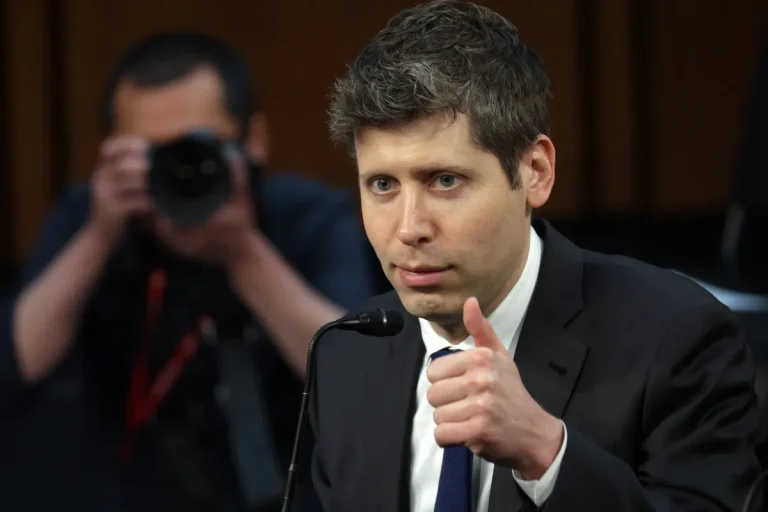
😼 Sam Altman's principles arrived one day too late

In a recent development, Sam Altman, CEO of OpenAI, introduced a set of guiding principles aimed at ensuring the responsible use of artificial intelligence. However, these principles came to light just after a significant incident involving AI misuse, raising concerns about their timely implementation. Critics argue that the late arrival of these guidelines underscores the urgent need for proactive measures in the rapidly evolving tech landscape. As AI continues to advance, the call for robust ethical standards and accountability becomes increasingly critical to prevent potential harms. This situation highlights the ongoing challenges in balancing innovation with safety in the realm of artificial intelligence.