Mike Cagney’s second act: Turning blockchain into Wall Street’s new plumbing

Mike Cagney, the co-founder of the fintech company SoFi, is now pivoting his career towards revolutionizing Wall Street by leveraging blockchain technology. His new venture aims to create a more efficient financial infrastructure, often referred to as the "plumbing" of the financial system, to streamline transactions and reduce costs. Cagney believes that blockchain can address the inefficiencies that have long plagued traditional finance, offering greater transparency and security. As the financial industry increasingly embraces digital innovations, Cagney's initiative could play a significant role in reshaping how financial institutions operate and interact.


Iran’s largest crypto exchange founded by sons of family tied to supreme leaders: Reuters

Iran's largest cryptocurrency exchange has been established by the sons of a family closely associated with the country's supreme leaders, raising eyebrows about potential conflicts of interest and the intertwining of power and finance in the nation. This exchange, which aims to facilitate cryptocurrency transactions amid ongoing economic sanctions, underscores the growing significance of digital currencies in Iran's economy. The move highlights the government's attempt to harness cryptocurrency as a means to bypass financial restrictions while also benefiting influential families. As Iran navigates its complex economic landscape, this development could have far-reaching implications for the future of both its financial system and its political dynamics.

New York forces Uphold to pay $5M over fraudulent crypto investment scheme

New York regulators have ordered Uphold, a digital currency platform, to pay $5 million for its involvement in a fraudulent cryptocurrency investment scheme. The state’s Department of Financial Services (DFS) found that Uphold had allowed the promotion of a deceptive investment opportunity that misled consumers. This action highlights the increasing scrutiny and regulatory measures being implemented in the cryptocurrency industry to protect investors from scams. Uphold has agreed to the settlement, which underscores the importance of compliance with state laws and the need for transparency in the rapidly evolving digital asset market.

Crypto industry will be ‘just fine’ if CLARITY Act doesn’t pass: Chris Perkins

Chris Perkins, a prominent figure in the cryptocurrency industry, expressed confidence that the sector will thrive even if the CLARITY Act fails to pass. He emphasized that the industry's resilience is rooted in its ability to adapt to regulatory challenges. Perkins believes that while clear regulations are ideal for fostering growth and innovation, the crypto market has proven its robustness in navigating uncertainty. His comments come amid ongoing discussions about regulatory frameworks that could significantly impact the future of digital assets. Overall, Perkins remains optimistic about the long-term prospects of cryptocurrency, regardless of legislative outcomes.

Bitcoin logs best monthly performance in 12 months during April

In April, Bitcoin achieved its strongest monthly performance in a year, surging over 20% and signaling renewed investor confidence in the cryptocurrency. This rally was fueled by a combination of factors, including positive sentiment surrounding potential regulatory clarity and increased institutional interest. Analysts noted that the surge could also be attributed to macroeconomic trends, such as easing inflation concerns and a more favorable monetary policy outlook. As Bitcoin continues to gain traction, many investors are optimistic about its potential to sustain this upward momentum in the coming months.

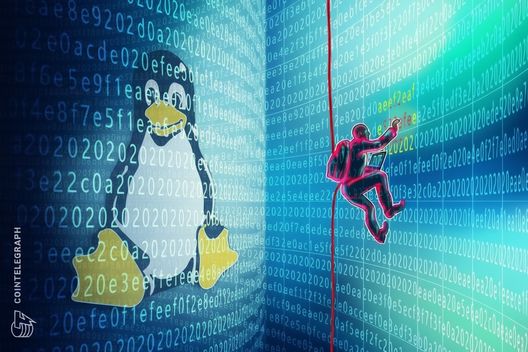
US CISA adds ‘insane’ Linux Copy Fail flaw to watch list

The Cybersecurity and Infrastructure Security Agency (CISA) has added a critical vulnerability, dubbed the "Linux Copy Fail," to its watch list due to its potential to compromise systems. This flaw, which affects various Linux distributions, allows attackers to exploit a weakness in the file copying process, leading to unauthorized access and data breaches. Experts have described the vulnerability as "insane" due to its severity and the ease with which it can be exploited. CISA's inclusion of this flaw underscores the ongoing challenges in cybersecurity, particularly as more organizations rely on Linux systems for their operations. Users are urged to apply security patches and remain vigilant against potential attacks.

Wallets seized by OFAC may not be Iranian; other state actors instead: Analyst

Recent analysis suggests that wallets seized by the Office of Foreign Assets Control (OFAC) may not be linked to Iran, as initially believed, but could instead be associated with other state actors. This revelation raises questions about the accuracy of previous assumptions regarding the origin of these digital assets. Experts emphasize the importance of thorough investigations to determine the true affiliations of the seized wallets, which could have significant implications for international relations and sanctions enforcement. As the landscape of digital currencies evolves, understanding these connections becomes crucial for policymakers and regulators.

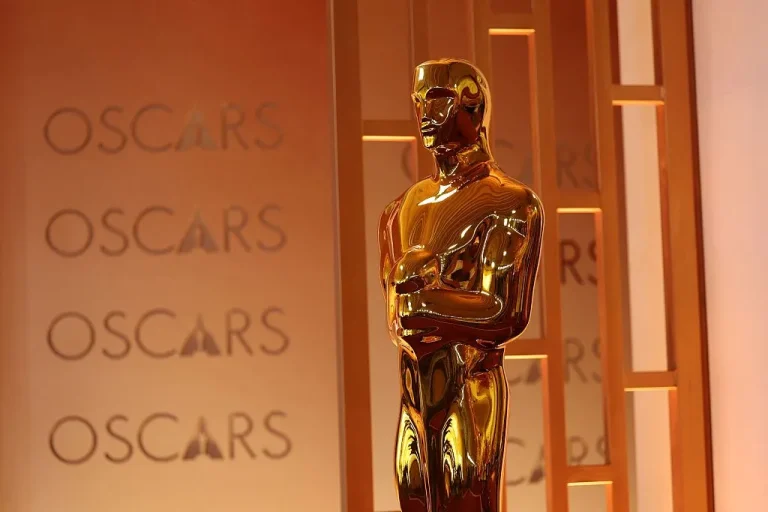
AI-generated actors and scripts are now ineligible for Oscars

The Academy of Motion Picture Arts and Sciences has announced that AI-generated actors and scripts will no longer be eligible for Oscar nominations. This decision highlights the growing concern over the role of artificial intelligence in creative fields, as the Academy seeks to preserve the integrity of artistic expression. The move underscores a broader industry debate about the impact of AI on traditional filmmaking and storytelling. As technology continues to advance, the Academy aims to ensure that human creativity remains at the forefront of cinematic achievements. This policy shift reflects a commitment to recognizing the unique contributions of human artists in an evolving landscape.

OpenAI GPT Image 2 vs Google Nano Banana 2: Which AI Image Generator Is Best?

The article compares two leading AI image generators: OpenAI's GPT Image 2 and Google's Nano Banana 2. It evaluates their performance, features, and user experience, highlighting advancements in image quality and creativity. GPT Image 2 is noted for its ability to produce highly detailed and imaginative visuals, while Nano Banana 2 excels in speed and user-friendly interfaces. The piece also discusses the potential applications of both tools in various industries, from marketing to entertainment. Ultimately, the article aims to help readers determine which AI image generator best suits their needs.

Oscars Ban AI Performances and Screenplays From Eligibility

The Academy of Motion Picture Arts and Sciences has officially banned performances and screenplays generated by artificial intelligence from eligibility for the Oscars. This decision reflects growing concerns over the impact of AI on the creative arts, ensuring that human talent remains at the forefront of filmmaking. The new rules aim to preserve the integrity of the awards while acknowledging the evolving landscape of technology in the industry. As AI continues to advance, the Academy's stance highlights the importance of human creativity in storytelling and performance. This move is part of a broader dialogue about the role of AI in various sectors, including entertainment.