You Installed Hermes. Now Make It Look Better Than ChatGPT or Claude

A new article highlights the potential of the Hermes AI model, encouraging users to enhance its visual appeal compared to competitors like ChatGPT and Claude. With the rise of AI-driven tools, the focus is shifting towards not just functionality but also user experience and aesthetics. The article provides tips and strategies for customizing Hermes, aiming to help users create a more engaging interface that can attract and retain users. As AI technology continues to evolve, the emphasis on design and usability becomes increasingly important in distinguishing one platform from another.
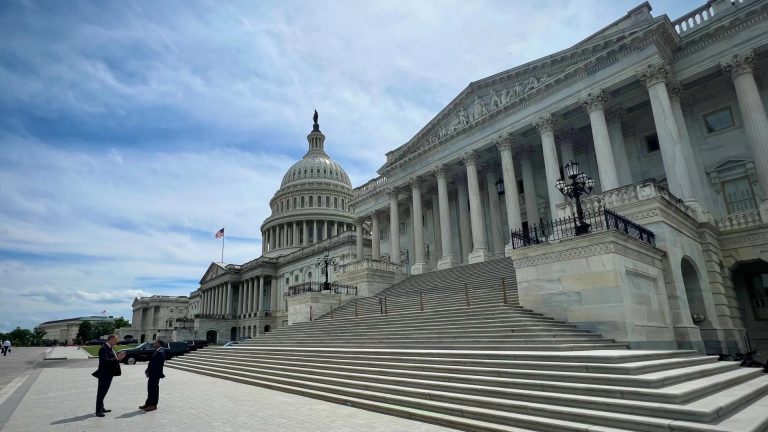
Policy Summit and other things at Consensus 2026: State of Crypto

Consensus 2026, a pivotal event in the cryptocurrency sphere, is set to feature a comprehensive Policy Summit that aims to address pressing regulatory challenges facing the industry. With a lineup of influential speakers from both the public and private sectors, the summit will explore the evolving landscape of crypto regulations and their implications for innovation and investment. Attendees will have the opportunity to engage in discussions on best practices, compliance, and the future of digital assets. As the crypto market continues to mature, this summit serves as a critical platform for stakeholders to shape policy and navigate the complexities of a rapidly changing environment.

In Harvard study, AI offered more accurate emergency room diagnoses than two human doctors

A recent study from Harvard has revealed that an artificial intelligence system outperformed two human doctors in providing accurate diagnoses in emergency room settings. The AI demonstrated a higher level of precision in identifying conditions, which could significantly enhance patient care and treatment outcomes. Researchers highlighted the potential for AI to assist medical professionals, reducing diagnostic errors and improving efficiency in high-pressure environments. This advancement underscores the growing role of technology in healthcare, suggesting that AI could become an integral part of clinical decision-making in the future. The findings raise important questions about the balance between human expertise and machine intelligence in medicine.

😺 What gets scarce when AI does everything?

As artificial intelligence continues to advance and take over various tasks, experts are exploring the implications of this shift on human labor and creativity. The article discusses how the increasing capabilities of AI could lead to a scarcity of certain jobs and skills, prompting a reevaluation of human contributions in the workforce. Additionally, it highlights the potential for a new economy that values uniquely human traits, such as empathy and innovation. As AI becomes more integrated into daily life, understanding what becomes scarce in this new landscape is crucial for preparing for the future of work and society.

When AI Takes Over the Economy, Who Owns the Human Element?

As artificial intelligence continues to reshape the economy, a crucial question emerges: who retains ownership of the human element in an increasingly automated world? The article explores the implications of AI on labor markets and the potential displacement of workers, raising concerns about economic inequality and the value of human creativity. Experts suggest that while AI can enhance productivity, it also risks devaluing human contributions if not managed responsibly. As businesses integrate AI technologies, the need for ethical frameworks and policies becomes paramount to ensure that the benefits of automation are shared equitably among all stakeholders.

Bitcoin preps highest weekly close since January as BTC price nears $79K

Bitcoin is on track for its highest weekly close since January, with its price approaching $79,000. The cryptocurrency has seen a significant surge in value, driven by renewed investor interest and positive market sentiment. Analysts suggest that this momentum could be attributed to various factors, including increased institutional adoption and favorable regulatory developments. As Bitcoin continues to gain traction, many are watching closely to see if it can maintain this upward trajectory and potentially reach new all-time highs. This week’s performance underscores the ongoing volatility and excitement surrounding the cryptocurrency market.

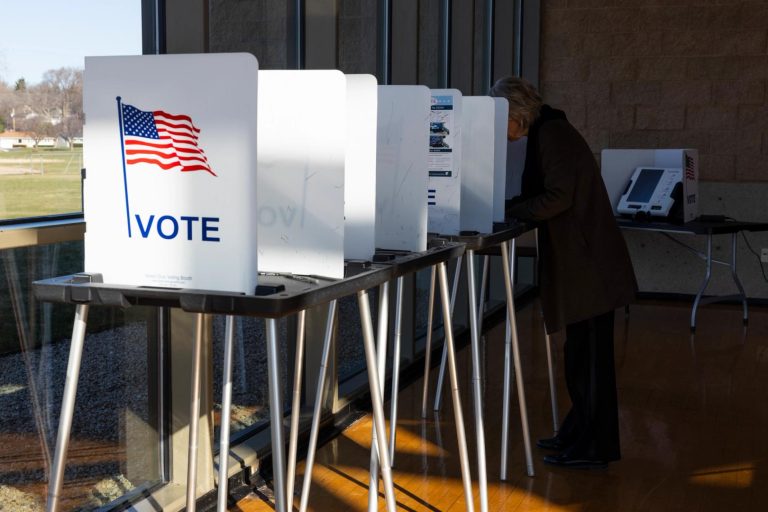
Crypto is at bottom of U.S. voters' priorities heading into elections, CoinDesk survey shows

A recent CoinDesk survey reveals that cryptocurrency ranks low on the list of priorities for U.S. voters as the elections approach. Only 5% of respondents identified crypto-related issues as their main concern, placing it far behind topics like inflation, healthcare, and the economy. This finding highlights the challenges faced by the crypto industry in gaining traction among the general public, especially as voters focus on more immediate economic issues. As election season heats up, it remains to be seen how candidates will address cryptocurrency in their platforms, given its minimal impact on voter sentiment.

Americans still prefer banks over crypto for financial access, CoinDesk's survey shows

A recent survey by CoinDesk reveals that a significant majority of Americans continue to favor traditional banks over cryptocurrencies for their financial needs. Despite the growing popularity of digital currencies, the findings indicate that trust and reliability in established banking systems remain paramount for consumers. The survey highlights concerns about the volatility and security of cryptocurrencies, which may contribute to their hesitance to fully embrace this alternative. As the financial landscape evolves, it appears that banks still hold a strong position in the minds of the American public, emphasizing the ongoing importance of conventional banking services.

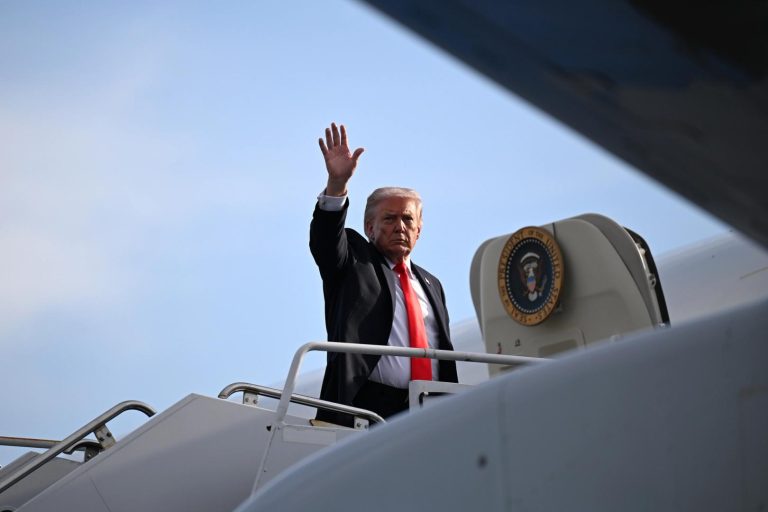
U.S. voters don't trust Trump administration to oversee crypto sector, CoinDesk poll finds

A recent CoinDesk poll reveals that a significant majority of U.S. voters lack confidence in the Trump administration's ability to effectively regulate the cryptocurrency sector. The survey indicates that 63% of respondents believe the administration would not manage the industry well, reflecting growing concerns over regulatory oversight amidst the expanding crypto market. This skepticism comes as the Biden administration has taken a more proactive approach to cryptocurrency regulation. The findings highlight the ongoing debate about how best to balance innovation in the financial technology space with necessary consumer protections and regulatory frameworks.

Americans distrust crypto, AI as industry super PACs flood midterms, poll finds

A recent poll reveals that a significant portion of Americans harbor distrust towards cryptocurrencies and artificial intelligence, highlighting growing concerns as these technologies gain traction. This skepticism comes amid a surge in political spending by industry super PACs during the midterm elections, aimed at influencing policy and public perception. The findings indicate that while these sectors are rapidly evolving, many voters remain wary of their implications and potential risks. As the midterms approach, the intersection of technology and politics is becoming increasingly prominent, prompting discussions about regulation and ethical considerations in these burgeoning industries.