$170M Ether longs liquidated as crypto market tumbles: Is ETH doomed?

The cryptocurrency market faced a significant downturn, leading to the liquidation of approximately $170 million in Ether long positions. This sharp decline has raised concerns among investors about the future of Ethereum, with many questioning whether ETH is on a path to recovery or facing a prolonged struggle. The market's volatility has been attributed to various factors, including regulatory uncertainties and macroeconomic pressures. As traders reassess their positions, the situation has sparked debates about the sustainability of Ethereum's value and its potential impact on the broader crypto ecosystem.


Meet Qwable: The Free Local Model That Thinks Like Claude Fable

Qwable is an innovative new model designed to enhance local interactions and decision-making, drawing inspiration from the well-known Claude Fable. Unlike traditional models, Qwable focuses on providing personalized, context-aware responses that cater to local needs and preferences. This free tool aims to empower users by offering tailored solutions for everyday challenges, from finding local services to making community connections. As it gains traction, Qwable is set to revolutionize how individuals engage with their surroundings, fostering a sense of community and collaboration. Its unique approach positions it as a valuable resource for anyone looking to navigate their local environment more effectively.

Starmer steps down: What Andy Burnham means for crypto in the UK

With Keir Starmer stepping down as Labour leader, attention turns to Andy Burnham, the mayor of Greater Manchester, who is seen as a potential successor. Burnham's stance on cryptocurrency could significantly influence the UK's regulatory landscape. Known for his progressive views, he may advocate for a more supportive environment for crypto innovation, contrasting with previous government approaches. His leadership could usher in policies that foster growth in the digital asset sector, potentially positioning the UK as a global hub for cryptocurrency. As the political landscape shifts, the implications for the crypto market and its stakeholders remain a key focus for industry observers.

Crypto critic Roubini joins tokenization boom with onchain 'Technodollar'

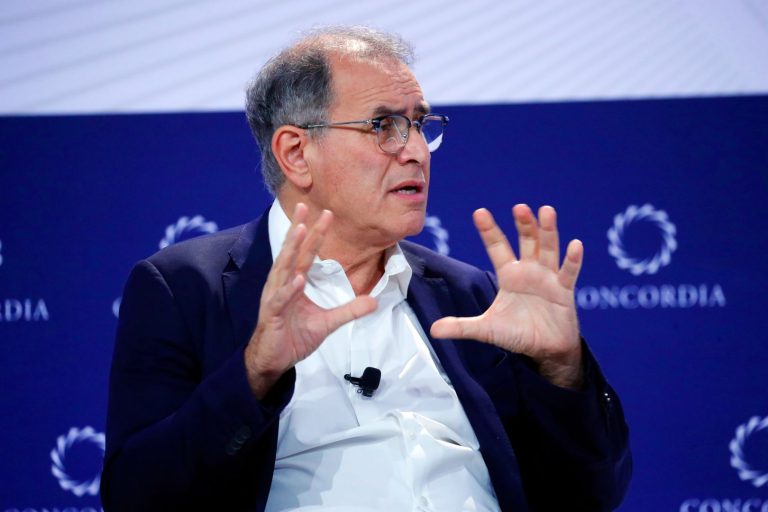
Economist Nouriel Roubini, known for his skepticism towards cryptocurrencies, is making a surprising turn by launching the "Technodollar," a new on-chain token. This initiative marks his entrance into the growing trend of tokenization, where traditional assets are converted into digital tokens on blockchain platforms. Roubini's Technodollar aims to combine the stability of established currencies with the innovative potential of blockchain technology. Despite his previous criticisms of the crypto market, he is now exploring how tokenization can enhance financial systems and improve economic efficiency. This shift reflects a broader acceptance of digital assets in mainstream finance, even among former skeptics.

Trump's Quantum Push Wins Praise, But Experts Warn Bitcoin Isn't Ready

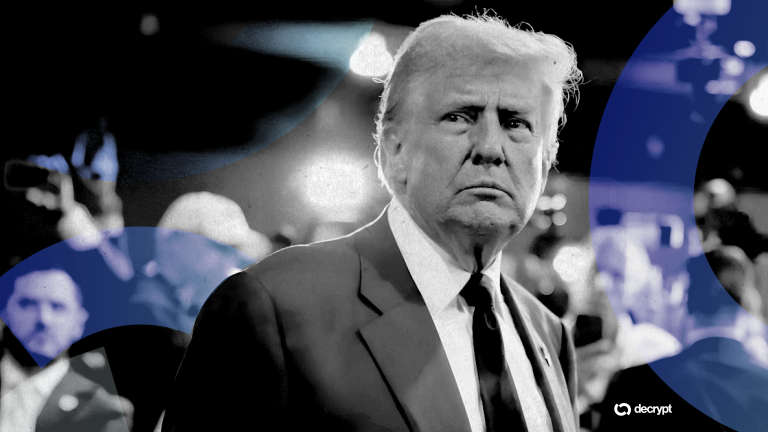
Former President Donald Trump's recent push for quantum computing has garnered significant praise from industry experts, who see it as a pivotal step toward advancing technology. However, there are concerns regarding the readiness of Bitcoin and other cryptocurrencies to adapt to the potential disruptions posed by quantum advancements. Experts warn that the current cryptographic systems underpinning Bitcoin may not be secure against quantum threats, which could undermine the integrity of digital currencies. As the race for quantum supremacy heats up, the intersection of these technologies presents both opportunities and challenges that the cryptocurrency community must navigate carefully.

Crypto’s Clarity Act Has a New Enemy: Catholic Leaders

Catholic leaders are voicing strong opposition to the recently proposed Crypto’s Clarity Act, which aims to regulate cryptocurrencies more clearly in the U.S. The act has garnered support from various financial sectors, but religious figures are concerned about its potential to facilitate money laundering and illicit activities. They argue that the legislation could undermine ethical standards and promote financial systems that conflict with moral teachings. The clash highlights a growing tension between regulatory efforts and the ethical implications of cryptocurrency, as advocates push for a balanced approach that considers both innovation and social responsibility.

Mark Zuckerberg ordered Meta staff to develop moneyless prediction market: NYT

Mark Zuckerberg has directed Meta employees to create a prediction market that operates without monetary incentives, as reported by The New York Times. This initiative aims to harness the collective insights of Meta's workforce to forecast trends and outcomes, potentially enhancing decision-making within the company. By eliminating financial stakes, Zuckerberg hopes to foster a more open and collaborative environment for sharing ideas. The move reflects Meta's ongoing efforts to innovate and stay ahead in the competitive tech landscape, while also addressing concerns about the ethical implications of traditional prediction markets.

Mark Zuckerberg Wants a Prediction Market Too: NYT

Mark Zuckerberg is exploring the concept of a prediction market, following the trend of platforms that allow users to bet on future events and outcomes. This move comes as part of his broader interest in leveraging technology to enhance decision-making and insights into public sentiment. The idea is to create a space where users can gauge the likelihood of various scenarios, potentially benefiting businesses and individuals alike. As competition in the tech industry intensifies, Zuckerberg's venture into prediction markets could reshape how information is valued and utilized in decision-making processes.

Crypto isn't problem with US economy, Louisiana senator says

Louisiana Senator Bill Cassidy has stated that cryptocurrency is not the primary issue affecting the U.S. economy, countering widespread concerns about the digital currency's impact. He emphasized that the challenges facing the economy are more closely linked to inflation and supply chain disruptions rather than the rise of crypto assets. Cassidy's remarks come amid ongoing debates over regulatory frameworks for cryptocurrencies, highlighting the need to focus on broader economic factors. His perspective suggests a shift in the narrative surrounding cryptocurrency, urging policymakers to prioritize traditional economic issues over digital currency concerns.

Multi-year Bitcoin holder selling falls to 19-month low as halving model flags new market bottom date

Recent data reveals that the number of multi-year Bitcoin holders selling their assets has dropped to a 19-month low, indicating a potential shift in market sentiment. This trend coincides with predictions from the Bitcoin halving model, which suggests a new market bottom could be on the horizon. Analysts believe that this combination of long-term holders retaining their investments and the halving cycle may lead to increased price stability and future growth for Bitcoin. As the cryptocurrency market evolves, these factors could play a crucial role in shaping investor strategies and market dynamics in the coming months.