The Runes revival: Bitcoin traffic hits a two-year high as transactions blast past 820,000

Bitcoin transactions have surged to a two-year high, surpassing 820,000 as interest in the cryptocurrency revives, driven by a combination of market optimism and increased adoption. This uptick in traffic reflects a growing confidence among investors, with many viewing Bitcoin as a hedge against economic uncertainty. The resurgence is also attributed to the rise of decentralized finance (DeFi) and non-fungible tokens (NFTs), which have reinvigorated the blockchain ecosystem. As transaction volumes soar, analysts are closely monitoring the implications for Bitcoin's price and overall market dynamics, suggesting that this revival could signal a new phase in the cryptocurrency's evolution.


BTC price four-year trend calls for $76K as analysis says Bitcoin 'not broken'

Bitcoin's price analysis suggests a potential rise to $76,000, following a four-year trend that indicates resilience despite recent market fluctuations. Analysts emphasize that Bitcoin remains fundamentally strong, dismissing concerns about its stability. The cryptocurrency has shown a pattern of recovery after downturns, with historical data supporting the possibility of significant price increases in the near future. As investors remain optimistic, the current market dynamics could set the stage for Bitcoin to reach new heights, reaffirming its position in the financial landscape.

South Korea adds token securities to capital market overhaul

South Korea is set to enhance its capital markets by integrating token securities, a move aimed at modernizing the financial landscape and attracting more investors. This initiative is part of a broader overhaul that seeks to streamline regulations and foster innovation in the financial sector. By allowing digital assets to be classified as securities, the government hopes to boost the competitiveness of its capital markets on a global scale. The introduction of token securities is expected to facilitate greater access to funding for businesses and improve liquidity for investors, marking a significant step in the evolution of South Korea's financial ecosystem.

CryptoQuant says Michael Saylor's Strategy should halt its bitcoin buying

CryptoQuant has raised concerns regarding Michael Saylor's strategy for acquiring Bitcoin, suggesting that it may be time to pause further purchases. The analysis highlights potential risks associated with Saylor's aggressive accumulation approach, particularly in an unpredictable market environment. As the founder of MicroStrategy, Saylor has been a prominent advocate for Bitcoin investment, but CryptoQuant's insights indicate that current market conditions could warrant a reassessment of his strategy. The commentary underscores the importance of adapting investment tactics amidst fluctuating cryptocurrency prices and changing market dynamics.

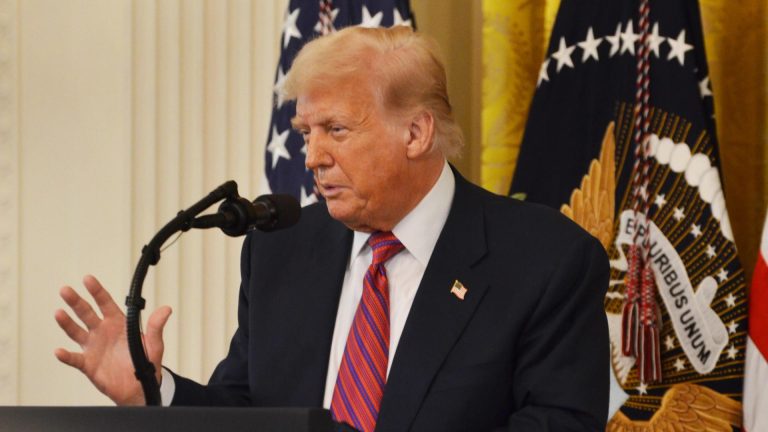
Trump lands in Senate's crosshairs over $500 million UAE investment in his crypto venture

Former President Donald Trump is facing scrutiny from the Senate regarding a substantial $500 million investment from the United Arab Emirates in his cryptocurrency venture. This inquiry raises concerns about potential conflicts of interest and foreign influence in U.S. financial markets. Lawmakers are questioning the implications of such a significant investment, particularly given Trump's previous administration's policies and relationships with foreign governments. The investigation highlights ongoing tensions surrounding Trump's business dealings and the intersection of politics and finance as he continues to maintain a prominent public profile.

OpenPayd secures MiCA license as stablecoin adoption grows in Europe

OpenPayd has successfully obtained a Markets in Crypto-Assets (MiCA) license, positioning itself at the forefront of the growing stablecoin market in Europe. This regulatory approval comes as the demand for stablecoins surges, driven by increased interest from businesses and consumers seeking stable digital currencies. The MiCA framework aims to provide clarity and security in the crypto space, fostering innovation while protecting users. OpenPayd's license not only enhances its credibility but also allows it to offer compliant services across the European Union, further solidifying its role in the evolving financial landscape.

Bitcoin’s ‘OG’ investors have slowed selling in a bullish sign for the market

Bitcoin's early investors, often referred to as "OG" investors, have significantly reduced their selling activity, signaling a potentially bullish trend for the cryptocurrency market. This shift comes as Bitcoin's price shows signs of recovery, with many investors choosing to hold onto their assets rather than cashing out. The decrease in selling pressure from these long-term holders is seen as a positive indicator, suggesting growing confidence in Bitcoin's future value. Analysts believe this trend could lead to increased stability and further price appreciation as market sentiment becomes more optimistic.

US nears ban on CBDCs until 2030 as housing bill goes to Trump

The U.S. is moving closer to implementing a ban on central bank digital currencies (CBDCs) until at least 2030, coinciding with the housing bill being sent to former President Donald Trump for approval. This legislative effort reflects growing concerns over digital currencies' potential impact on financial stability and privacy. The proposed ban aims to provide lawmakers with more time to assess the implications of CBDCs on the economy and consumer protection. As discussions continue, the future of digital currency regulation remains a critical topic in the ongoing debate about the modernization of the financial system.

Catholic leaders, US authorities challenge CLARITY Act over illicit activity

Catholic leaders and U.S. authorities are raising concerns over the proposed CLARITY Act, which aims to regulate and monitor illicit activities within religious organizations. Critics argue that the legislation could infringe on religious freedoms and impose undue burdens on faith-based organizations. Proponents, however, believe that increased oversight is necessary to combat financial misconduct and ensure accountability. The debate highlights the ongoing tension between safeguarding religious practices and addressing potential abuses within religious institutions. As discussions continue, the implications of the CLARITY Act could significantly impact how religious organizations operate in the U.S.