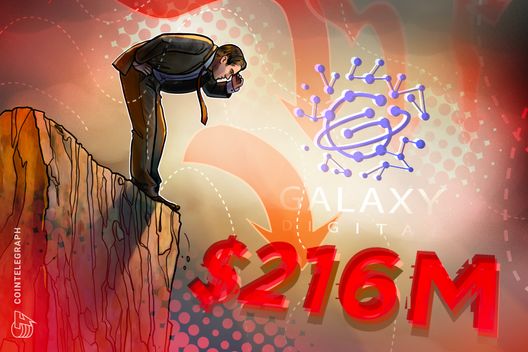
Hyperliquid Gains Counter $216 Million Q1 Loss at Novogratz's Galaxy Digital

Hyperliquid, a decentralized trading platform, has successfully raised $5 million in a funding round led by Galaxy Digital, amidst a challenging financial landscape for the firm. Galaxy Digital, founded by crypto investor Mike Novogratz, reported a staggering $216 million loss in the first quarter, largely attributed to the volatile cryptocurrency market. Despite the financial setbacks, the investment in Hyperliquid reflects Galaxy's commitment to supporting innovative blockchain projects. This funding is expected to bolster Hyperliquid's operations and enhance its competitive edge in the decentralized finance sector, highlighting the ongoing interest in crypto ventures even during market downturns.

'Crypto Godfather' says bitcoin has not reached its bottom and a new all-time high is off the table for 2026

The so-called "Crypto Godfather" has expressed concerns that Bitcoin has yet to hit its lowest point, suggesting that the cryptocurrency market may still be in for more turbulence. In a recent analysis, he indicated that the prospect of Bitcoin reaching a new all-time high by 2026 seems unlikely given current market conditions. As investors navigate ongoing volatility and regulatory challenges, the outlook for Bitcoin remains cautious. This perspective highlights the broader uncertainty within the cryptocurrency space, as enthusiasts and analysts alike grapple with the future of digital assets.

Galaxy Digital posts $216M Q1 loss as crypto market slides 20%

Galaxy Digital reported a significant loss of $216 million in the first quarter, attributed to a steep decline in the cryptocurrency market, which saw a 20% drop. The company, led by former Goldman Sachs executive Mike Novogratz, faced challenges as trading volumes and investor sentiment waned. Despite the downturn, Galaxy Digital remains focused on its long-term strategy, emphasizing its commitment to navigating the volatile crypto landscape. This loss highlights the broader struggles within the cryptocurrency sector, as firms grapple with regulatory pressures and market fluctuations. Investors are closely monitoring how Galaxy Digital adapts to these ongoing challenges.

AML crackdown eclipses securities enforcement as crypto’s top regulatory risk: Report

A recent report highlights that anti-money laundering (AML) regulations have overtaken securities enforcement as the primary regulatory risk for the cryptocurrency sector. The shift comes amid increasing scrutiny from regulators worldwide, who are focusing on preventing illicit activities linked to digital assets. As governments tighten their AML frameworks, crypto firms are urged to enhance compliance measures to avoid hefty penalties. This evolving landscape underscores the need for the industry to adapt swiftly to regulatory changes, ensuring transparency and security in transactions. The report emphasizes that failure to address AML concerns could pose significant challenges for the future growth of the crypto market.

Can Bitcoin hit $250K this year? Traders say it may be time to ‘sell in May’

Bitcoin's price has been a hot topic among traders as speculation mounts about whether it could reach $250,000 this year. Analysts suggest that market conditions and historical trends may prompt investors to consider the old adage of "sell in May," a strategy that advises selling stocks before the summer months due to potential market downturns. While some traders remain optimistic about Bitcoin's potential for significant gains, others are cautious, urging a careful approach amidst fluctuating market dynamics. As the cryptocurrency landscape evolves, the debate over Bitcoin's trajectory continues, with many watching closely for signs of a bullish or bearish trend.

Not a theft, but a statement: Inside the Bitcoin proposal to reassign Satoshi-linked coins

A new proposal aims to reassign Bitcoin coins linked to its mysterious creator, Satoshi Nakamoto, arguing that these assets should be redistributed to enhance the cryptocurrency's decentralization and utility. Advocates believe that the current holding of over a million coins, which have remained untouched for years, poses a risk to Bitcoin's ethos of equitable access. The proposal has sparked a heated debate within the crypto community, with supporters emphasizing the potential for increased liquidity and innovation, while critics warn against altering the foundational principles of Bitcoin. This initiative highlights ongoing tensions between preserving the original vision of Bitcoin and adapting to modern economic realities.

Meta Turns to Space-Based Solar Energy to Power AI Data Centers on Earth

Meta is exploring innovative solutions to power its AI data centers by investigating space-based solar energy. The tech giant aims to harness solar power collected in orbit, which could provide a consistent and renewable energy source for its operations on Earth. This initiative aligns with Meta's broader commitment to sustainability and reducing its carbon footprint. By leveraging advanced technologies, the company hopes to not only enhance its energy efficiency but also set a precedent for the future of energy consumption in the tech industry. This ambitious project reflects Meta's ongoing efforts to integrate cutting-edge technology with environmental responsibility.

Crypto projects shut down as token models fail under pressure

As the cryptocurrency market faces increasing scrutiny and volatility, several crypto projects have been forced to shut down due to unsustainable token models. Many of these initiatives, once hailed as innovative, struggled to maintain investor confidence amid tightening regulations and economic pressures. The collapse of these projects highlights the fragility of token-based ecosystems, where speculative investment often drives valuations. Industry experts emphasize the need for more robust frameworks and transparency in the crypto space to prevent further failures and protect investors. This trend raises questions about the future viability of numerous crypto ventures as the market continues to evolve.

Japan tells real estate and crypto sectors to tighten AML checks on property deals

Japan's government is urging the real estate and cryptocurrency sectors to enhance anti-money laundering (AML) measures in property transactions. This directive comes in response to growing concerns about the potential for illicit activities linked to real estate investments and digital currencies. Authorities are particularly focused on ensuring that proper checks are in place to prevent money laundering and other financial crimes. The move reflects Japan's commitment to maintaining the integrity of its financial systems and aligns with global efforts to combat financial misconduct. By tightening regulations, the government aims to foster a safer and more transparent investment environment.

Galaxy Digital delivers first data center tranche to CoreWeave after narrowing Q1 loss

Galaxy Digital has successfully delivered the first tranche of data center assets to CoreWeave, marking a significant step in their partnership. This move comes as Galaxy Digital reports a narrowed loss for the first quarter, reflecting improvements in its financial performance amid a challenging market. The collaboration aims to enhance CoreWeave’s infrastructure, supporting its growth in the rapidly evolving digital asset space. As demand for computing power increases, this strategic alliance positions both companies to capitalize on emerging opportunities in the blockchain and cryptocurrency sectors.