Category AI

OpenAI poaches Uber India chief to lead its biggest market outside the US

OpenAI has made a significant move by hiring the former Uber India chief, who will now lead its operations in India, marking a strategic expansion into one of its largest markets outside the United States. This appointment comes as OpenAI seeks to strengthen its presence in a rapidly growing tech landscape, particularly in artificial intelligence. The new leader is expected to leverage their extensive experience in the Indian market to drive growth and innovation for OpenAI's products and services. This shift highlights the company's commitment to tapping into India's diverse talent pool and fostering partnerships in the region.
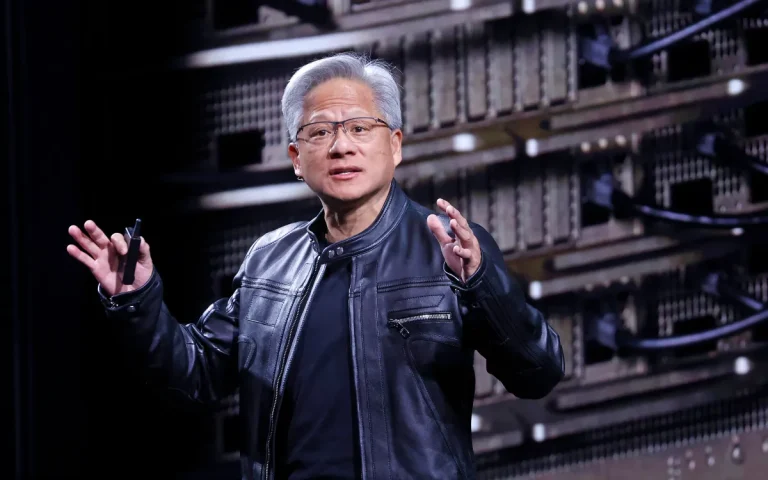

Why everyone from OpenAI to SpaceX is building their own chips (and turning up the heat on Nvidia)

As major tech companies like OpenAI and SpaceX venture into chip development, they aim to reduce reliance on Nvidia, which has dominated the AI hardware market. This shift is driven by the increasing demand for customized chips that can handle specific computational needs, particularly in artificial intelligence applications. Companies are investing heavily in creating their own semiconductor technologies to enhance performance and efficiency, while also mitigating supply chain vulnerabilities. This trend not only intensifies competition in the chip industry but also signifies a broader shift towards self-sufficiency in critical technological infrastructure.

It’s not about Anthropic vs. OpenAI anymore

The competitive landscape of artificial intelligence is shifting as Anthropic and OpenAI, once viewed as direct rivals, are now focusing on collaboration and shared goals. Both companies are increasingly emphasizing safety and ethical considerations in AI development, recognizing the need for responsible innovation. This shift reflects a broader trend in the tech industry, where collaboration may be essential to address the complex challenges posed by advanced AI systems. As both companies work towards similar objectives, the narrative is evolving from competition to partnership, highlighting the importance of collective efforts in shaping the future of AI technology.

OpenAI’s Jalapeño chip is Big Tech’s spiciest move away from Nvidia

OpenAI has introduced its new Jalapeño chip, marking a significant shift in the tech landscape as it seeks to reduce reliance on Nvidia’s dominant GPU technology. This move comes amid growing concerns over supply chain vulnerabilities and competition in the AI sector. The Jalapeño chip is designed to optimize performance for machine learning tasks, potentially offering a more cost-effective and efficient alternative. As Big Tech companies explore diverse hardware solutions, OpenAI's initiative could reshape the competitive dynamics in AI development and deployment, signaling a new era of innovation in computing.

Early Bird pricing ends tonight for TechCrunch Founder Summit

The TechCrunch Founder Summit is set to take place soon, and early bird pricing for tickets ends tonight. This event is a prime opportunity for entrepreneurs, investors, and tech enthusiasts to network, share insights, and learn from industry leaders. Attendees can expect a lineup of expert speakers and engaging discussions focused on the latest trends and innovations in technology and startups. Those interested in attending are encouraged to secure their tickets before the price increases, ensuring they don’t miss out on this valuable experience.

😺 AI ate the memory chips. Apple sent you the bill.

Apple is facing backlash from users after reports emerged that some of its devices, particularly those powered by AI, are allegedly consuming memory chips at an alarming rate. This unexpected surge in memory usage has led to increased costs for consumers, as Apple has begun charging customers for replacements. The situation has sparked outrage among users who feel that they are being unfairly penalized for issues stemming from the company's AI technology. As the tech giant navigates this controversy, many are questioning the implications of AI on device performance and consumer costs.

😺 AI ate the memory chips. Apple sent you the bill.

Apple has recently faced backlash from customers after charging them for memory chips that were allegedly damaged by artificial intelligence during device repairs. The company’s new policy, which holds users financially responsible for components deemed "unrecoverable" due to AI-related issues, has sparked outrage and confusion among consumers. Critics argue that this practice raises ethical concerns about accountability and transparency in tech repairs. As AI becomes increasingly integrated into the repair process, the implications for consumer rights and corporate responsibility are coming under scrutiny. Apple’s decision highlights the challenges of navigating technology's rapid evolution and its impact on customer service.

The White House is asking OpenAI to slow roll the release of its new model over safety concerns

The White House has urged OpenAI to delay the rollout of its latest AI model due to growing safety concerns surrounding advanced artificial intelligence technologies. Officials are particularly worried about the potential risks associated with the model's capabilities, emphasizing the need for more thorough assessments to ensure public safety. This request reflects broader governmental efforts to establish regulatory frameworks for AI development and deployment. As the AI landscape rapidly evolves, the administration aims to balance innovation with responsible oversight, highlighting the importance of addressing ethical implications and potential misuse of powerful AI systems.

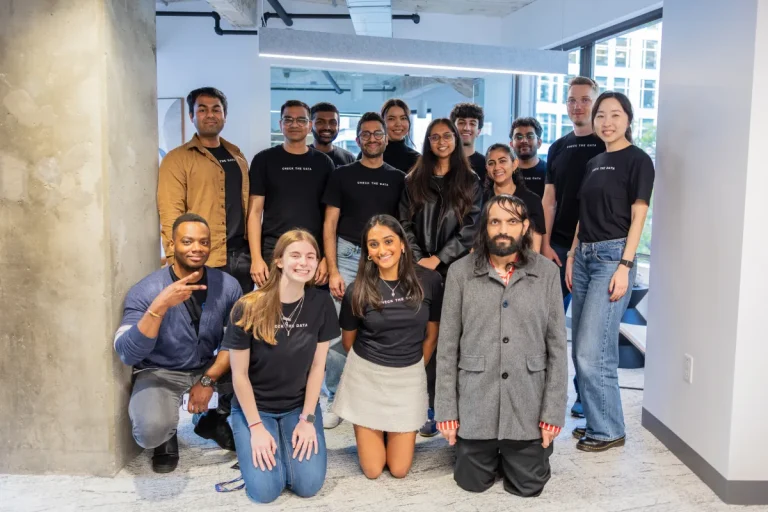
Patronus AI lands $50M to build ‘digital worlds’ that stress-test AI agents

Patronus AI has secured $50 million in funding to develop innovative "digital worlds" designed to rigorously test artificial intelligence agents. This investment aims to enhance AI performance by simulating complex environments where these agents can navigate challenges and improve their decision-making capabilities. The funding round was led by prominent investors, highlighting the growing interest in advanced AI training methodologies. By creating these immersive digital scenarios, Patronus AI seeks to address the limitations of current AI testing practices and push the boundaries of what AI can achieve in real-world applications.

Anthropic’s Claude is winning over paid consumers, a market owned by ChatGPT

Anthropic's AI assistant, Claude, is gaining traction among paid consumers, challenging the dominance of ChatGPT in the subscription market. As users seek alternatives to established platforms, Claude's innovative features and user-friendly interface are attracting attention. This shift highlights a growing demand for diverse AI solutions that cater to different needs and preferences. With Anthropic's focus on ethical AI development, Claude is positioning itself as a compelling choice for consumers looking for reliability and performance. The competition between these AI giants is intensifying, suggesting a dynamic future for AI technology in consumer markets.