Category AI

‘This is fine’ creator says AI startup stole his art

The creator of the popular meme "This is fine," KC Green, has accused an AI startup of using his artwork without permission. Green claims that the company incorporated his original designs into their AI model, which generates art based on various styles, including his own. This incident highlights ongoing concerns about copyright infringement and the ethical implications of using artists' work in AI training. As the debate over intellectual property rights in the digital age intensifies, Green's situation underscores the need for clearer regulations regarding the use of creative content in AI development.
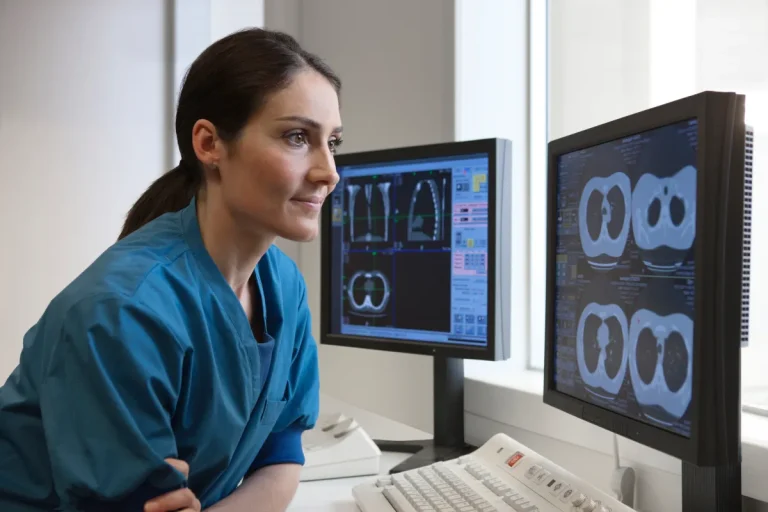
In Harvard study, AI offered more accurate emergency room diagnoses than two human doctors

A recent study from Harvard has revealed that an artificial intelligence system outperformed two human doctors in providing accurate diagnoses in emergency room settings. The AI demonstrated a higher level of precision in identifying conditions, which could significantly enhance patient care and treatment outcomes. Researchers highlighted the potential for AI to assist medical professionals, reducing diagnostic errors and improving efficiency in high-pressure environments. This advancement underscores the growing role of technology in healthcare, suggesting that AI could become an integral part of clinical decision-making in the future. The findings raise important questions about the balance between human expertise and machine intelligence in medicine.

😺 What gets scarce when AI does everything?

As artificial intelligence continues to advance and take over various tasks, experts are exploring the implications of this shift on human labor and creativity. The article discusses how the increasing capabilities of AI could lead to a scarcity of certain jobs and skills, prompting a reevaluation of human contributions in the workforce. Additionally, it highlights the potential for a new economy that values uniquely human traits, such as empathy and innovation. As AI becomes more integrated into daily life, understanding what becomes scarce in this new landscape is crucial for preparing for the future of work and society.

When AI Takes Over the Economy, Who Owns the Human Element?

As artificial intelligence continues to reshape the economy, a crucial question emerges: who retains ownership of the human element in an increasingly automated world? The article explores the implications of AI on labor markets and the potential displacement of workers, raising concerns about economic inequality and the value of human creativity. Experts suggest that while AI can enhance productivity, it also risks devaluing human contributions if not managed responsibly. As businesses integrate AI technologies, the need for ethical frameworks and policies becomes paramount to ensure that the benefits of automation are shared equitably among all stakeholders.

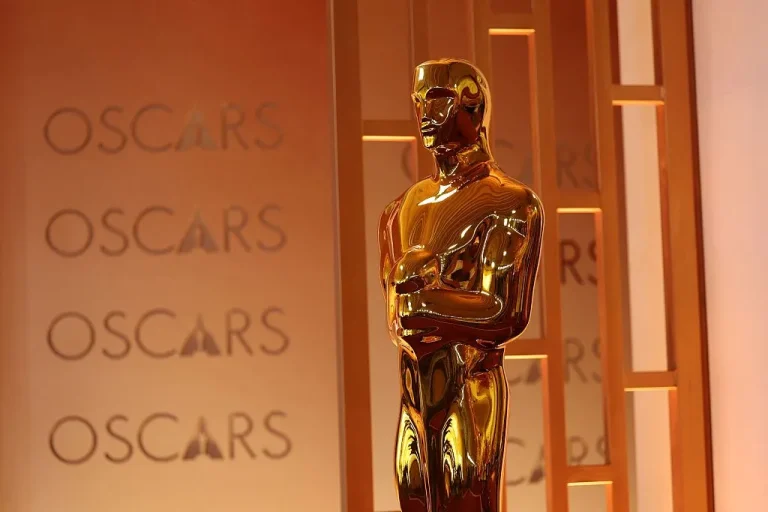
AI-generated actors and scripts are now ineligible for Oscars

The Academy of Motion Picture Arts and Sciences has announced that AI-generated actors and scripts will no longer be eligible for Oscar nominations. This decision highlights the growing concern over the role of artificial intelligence in creative fields, as the Academy seeks to preserve the integrity of artistic expression. The move underscores a broader industry debate about the impact of AI on traditional filmmaking and storytelling. As technology continues to advance, the Academy aims to ensure that human creativity remains at the forefront of cinematic achievements. This policy shift reflects a commitment to recognizing the unique contributions of human artists in an evolving landscape.

The best AI dictation apps, tested and ranked

A recent evaluation of AI dictation apps has revealed the top performers in the market, highlighting their capabilities and user experiences. These apps are designed to convert speech into text with impressive accuracy, making them valuable tools for professionals, students, and anyone needing efficient transcription. The testing process considered factors such as ease of use, compatibility with various devices, and the quality of the transcriptions. As voice recognition technology continues to advance, these leading apps are setting new standards for productivity and accessibility in everyday tasks.

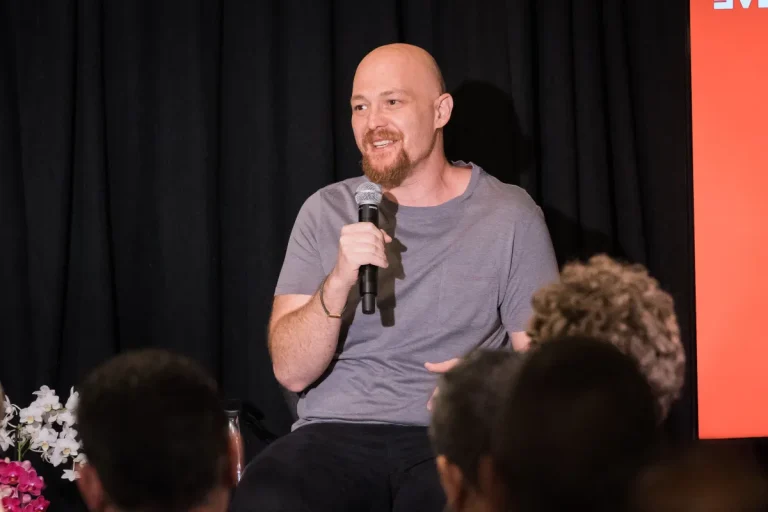
Replit’s Amjad Masad on the Cursor deal, fighting Apple, and why he’d rather not sell

Amjad Masad, CEO of Replit, recently discussed the company's strategic partnership with Cursor, a move aimed at enhancing collaborative coding experiences. He emphasized the importance of maintaining independence and innovation, expressing reluctance to sell the company despite potential offers. Masad also highlighted ongoing challenges with Apple, particularly regarding app store policies that he believes hinder developer creativity. With a focus on empowering developers and fostering a vibrant coding community, Replit continues to push boundaries in the tech landscape, prioritizing user experience and collaboration over quick financial gains.

Meta buys robotics startup to bolster its humanoid AI ambitions

Meta has acquired a robotics startup as part of its strategy to enhance its humanoid AI capabilities. This move aligns with the company's broader vision of integrating advanced robotics with artificial intelligence to create more interactive and intelligent systems. The acquisition is expected to accelerate Meta's development in the field, allowing for innovative applications in various sectors, including virtual reality and automation. As competition in AI and robotics intensifies, this purchase underscores Meta's commitment to leading the charge in creating sophisticated humanoid technologies. The integration of robotics into Meta's existing platforms could revolutionize user experiences and expand the company's influence in the tech landscape.

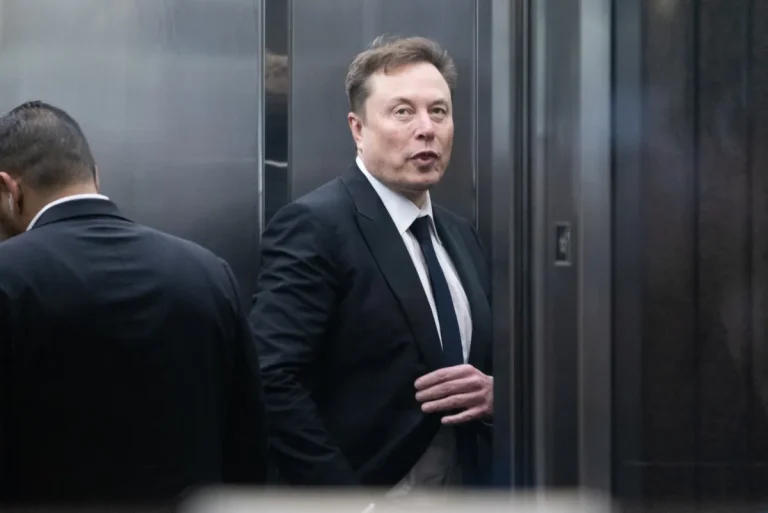
Did you know you can’t steal a charity? Don’t worry. Elon Musk will remind you.

Elon Musk recently sparked a conversation about the legality of charity ownership after a viral incident involving a Twitter user who claimed to have "stolen" a charity. Musk clarified that charities cannot be owned like private entities, emphasizing their purpose to serve the public good rather than generate profit. This exchange not only highlights the complexities surrounding charitable organizations but also Musk's penchant for engaging with users on social media. As discussions about philanthropy and its regulations continue to evolve, Musk's comments serve as a reminder of the importance of understanding the foundational principles of charitable work.

Pentagon inks deals with Nvidia, Microsoft, and AWS to deploy AI on classified networks

The Pentagon has signed significant contracts with Nvidia, Microsoft, and Amazon Web Services (AWS) to integrate artificial intelligence into its classified networks, marking a pivotal step in modernizing military technology. These partnerships aim to enhance data analysis and improve decision-making processes within defense operations. The initiative reflects a growing commitment to leverage cutting-edge AI capabilities to maintain national security and operational efficiency. By collaborating with leading tech companies, the Pentagon seeks to accelerate advancements in AI while ensuring secure and effective deployment in sensitive environments. This move underscores the increasing importance of AI in defense strategies and national security.