Wall Street's Next Tokenization Test: BlackRock-Backed Securitize's Market Debut

Securitize, a firm backed by BlackRock, is set to make waves in the financial sector with its upcoming market debut focused on tokenization. This innovative approach aims to digitize traditional securities, potentially transforming how assets are traded and managed. As the financial industry increasingly embraces blockchain technology, Securitize's entry highlights a significant shift towards digital asset solutions. The move comes amid growing interest from institutional investors in tokenized assets, which promise greater efficiency and accessibility. With BlackRock's backing, Securitize is poised to lead the charge in redefining investment landscapes and enhancing liquidity in capital markets.

Aave, Solana ecosystem tokens lead crypto rebound as bitcoin steadies near $60,000

The cryptocurrency market is experiencing a rebound, with Aave and tokens from the Solana ecosystem leading the charge as Bitcoin stabilizes around the $60,000 mark. This resurgence comes after a period of volatility, signaling renewed investor confidence. Aave's innovative lending platform and Solana's high-performance blockchain are attracting attention, contributing to their price increases. Analysts suggest that this uptick may indicate a broader recovery trend in the crypto space, as market participants look for opportunities amid fluctuating conditions. Overall, the market's positive momentum highlights the resilience of various digital assets in the face of challenges.

U.S. House Democrat, who may soon run key committee, condemns crypto in 401(k)s

A prominent U.S. House Democrat, poised to take a leadership role in a key committee, has expressed strong opposition to the inclusion of cryptocurrency in 401(k) retirement plans. This stance reflects growing concerns among lawmakers regarding the volatility and risks associated with digital assets, particularly in retirement savings. The Democrat's remarks come amid a broader debate on how to regulate cryptocurrencies and their role in financial markets. Advocates for crypto argue it offers diversification, but critics warn that it could jeopardize the financial security of retirees. The discussion highlights the ongoing tension between innovation in finance and the need for consumer protections.

Linux Foundation, Tech Giants Launch Akrites to Defend Open Source Against AI-Powered Attacks

The Linux Foundation, alongside major tech companies, has launched a new initiative called Akrites aimed at protecting open-source software from emerging AI-driven threats. As the use of artificial intelligence grows, so do the vulnerabilities associated with open-source projects, which are often targeted due to their accessibility. Akrites will focus on developing tools and best practices to enhance security and resilience within the open-source community. This collaborative effort underscores the importance of safeguarding open-source resources, which are foundational to much of today's technology infrastructure. The initiative represents a proactive step in addressing the evolving challenges posed by AI in the software landscape.

Spain regulator rules out extension for non-MiCA compliant crypto companies

Spain's financial regulator has announced that it will not grant extensions to cryptocurrency companies that fail to comply with the Markets in Crypto-Assets (MiCA) regulation by the upcoming deadline. This decision emphasizes the government's commitment to enforcing strict compliance standards within the crypto sector, aiming to enhance investor protection and financial stability. The MiCA framework, designed to regulate digital assets across the European Union, requires companies to meet specific operational and transparency requirements. As Spain moves to align with EU regulations, non-compliant firms face the risk of being shut out of the market, prompting many to accelerate their compliance efforts.

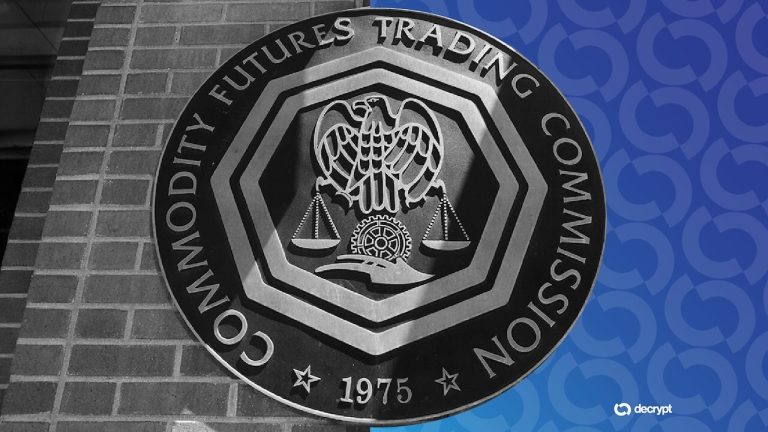
Senators Demand Answers From CFTC Over Alleged Polymarket Deceptive Advertising

U.S. senators are pressing the Commodity Futures Trading Commission (CFTC) for clarity regarding allegations of deceptive advertising linked to Polymarket, a prediction market platform. The inquiry stems from concerns that Polymarket may have misled users about the risks associated with its services, potentially violating consumer protection laws. Lawmakers are urging the CFTC to investigate the platform's marketing practices and ensure compliance with regulatory standards. This scrutiny highlights the broader challenges of regulating emerging digital platforms in the rapidly evolving landscape of online gambling and prediction markets. The outcome of this investigation could have significant implications for the future of such platforms in the U.S. market.

OpenAI Rolls Out GPT-5.6—But Only for Some Users Due to Trump Admin

OpenAI has launched its latest model, GPT-5.6, but access is limited to select users, a decision influenced by regulatory concerns stemming from the Trump administration's policies. The new model boasts enhanced capabilities in natural language processing and understanding, aiming to improve user interactions significantly. However, the restricted rollout has sparked discussions about the implications of governmental regulations on technological advancements. OpenAI's cautious approach reflects a balance between innovation and compliance, as the company navigates the complexities of AI deployment in a changing political landscape.

Former Ethereum Foundation leader warns of funding gap as governance shifts

A former leader of the Ethereum Foundation has raised concerns about a potential funding gap as the organization undergoes significant governance changes. With the shift towards a more decentralized decision-making process, there are fears that financial support for critical projects may dwindle. The leader emphasized that while decentralization is essential for the network's growth, it could lead to challenges in securing necessary resources. This warning highlights the delicate balance between innovation and sustainability within the Ethereum ecosystem, as stakeholders navigate the implications of new governance structures on future funding and project viability.

OpenAI limits GPT-5.6 rollout after government request, says restrictions shouldn’t be the norm

OpenAI has announced a limited rollout of its advanced GPT-5.6 model following a request from the government for increased oversight and restrictions. The company emphasizes that while it understands the need for caution, such limitations should not become the standard practice for AI deployment. OpenAI is committed to balancing innovation with safety, aiming to address concerns while still advancing their technology. The decision reflects ongoing discussions about the ethical implications and regulatory frameworks surrounding artificial intelligence as it continues to evolve and integrate into various sectors.

Anti-trafficking group says Clarity Act's Section 604 could weaken accountability

An anti-trafficking organization has raised concerns that Section 604 of the Clarity Act could undermine accountability measures in combating human trafficking. The group argues that the provision may inadvertently shield perpetrators from prosecution, thereby jeopardizing efforts to protect vulnerable populations. Advocates emphasize the importance of maintaining stringent safeguards to ensure that accountability is upheld in trafficking cases. As the legislation progresses, the group is urging lawmakers to reconsider the implications of this section to ensure the continued effectiveness of anti-trafficking initiatives. The debate highlights the delicate balance between legislative reform and the protection of human rights.