Bitcoin falls under $63,000 as a tech selloff drags risk assets lower

Bitcoin's value has dipped below $63,000 amid a broader selloff in technology stocks that has negatively impacted risk assets. This decline reflects growing concerns among investors regarding rising interest rates and potential economic slowdowns. The cryptocurrency market, often seen as a high-risk investment, is particularly sensitive to shifts in market sentiment and economic indicators. As tech stocks continue to face pressure, analysts are watching closely to see how this trend will influence Bitcoin's trajectory and the overall cryptocurrency landscape in the coming weeks.
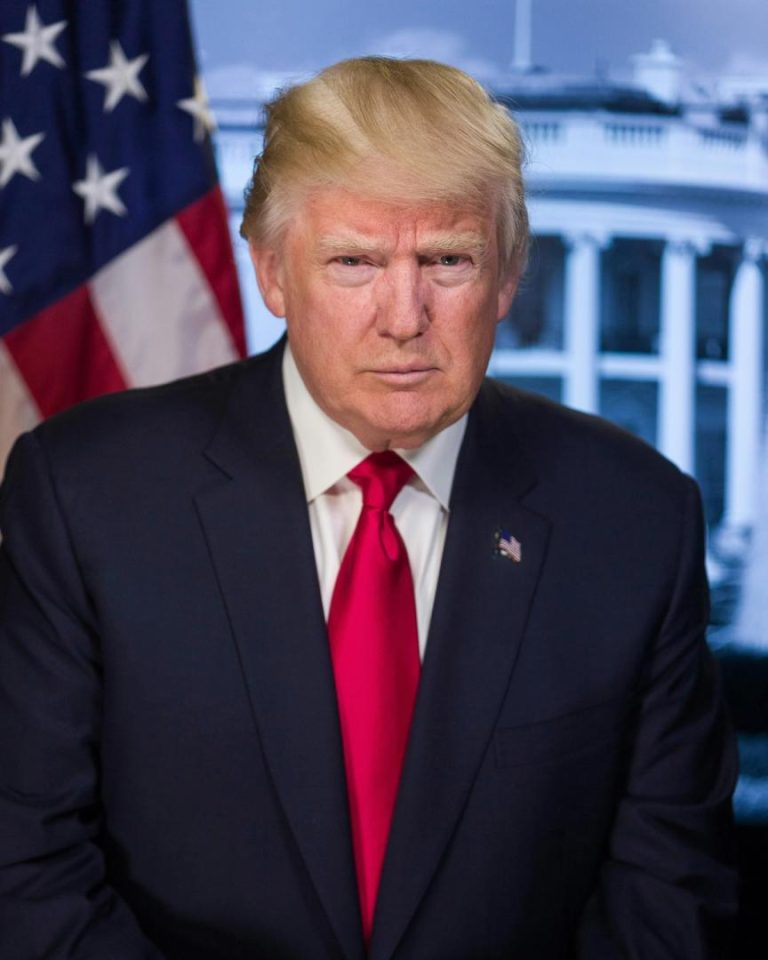

Quantum computing is often seen as a risk to bitcoin. Now Trump wants to develop it.

Former President Donald Trump has expressed a strong interest in advancing quantum computing technology, a field often viewed as a potential threat to cryptocurrencies like Bitcoin due to its ability to break traditional encryption methods. Trump's push for quantum development comes amid ongoing debates about the security of digital currencies in the face of rapidly evolving tech. As quantum computing progresses, it could revolutionize various sectors, but it also raises concerns about the future viability of Bitcoin and other cryptocurrencies. This initiative highlights a significant intersection of politics, technology, and finance, underscoring the need for robust security measures in the digital currency landscape.

Crypto lobby urges Congress to pass staking and mining tax bill as is

The cryptocurrency lobby is pushing Congress to approve a proposed tax bill that aims to regulate staking and mining activities without any amendments. Advocates argue that the legislation is crucial for providing clarity and stability in the rapidly evolving crypto market, which has been facing increased scrutiny from regulators. The bill seeks to establish a framework that would support innovation while ensuring compliance with tax obligations. Proponents believe that passing the bill in its current form will encourage investment and growth in the crypto sector, ultimately benefiting the broader economy. The outcome of this legislative effort could significantly impact the future of cryptocurrency operations in the United States.

Trump signs orders for quantum computer, cryptography upgrades

Former President Donald Trump has signed a series of executive orders aimed at advancing the United States' capabilities in quantum computing and cryptography. These initiatives are part of a broader strategy to enhance national security and maintain technological leadership in a rapidly evolving digital landscape. The orders prioritize investment in research and development, as well as collaboration with private sector innovators. This move underscores the importance of securing sensitive data against emerging threats, particularly from foreign adversaries. The administration's focus on cutting-edge technology reflects a commitment to safeguarding American interests in an increasingly competitive global environment.

Bitmine, Sharplink and Joe Lubin back Ethereum R&D nonprofit

Bitmine, Sharplink, and Ethereum co-founder Joe Lubin have joined forces to support a new nonprofit organization dedicated to research and development for the Ethereum ecosystem. This initiative aims to enhance the functionality and scalability of Ethereum, addressing ongoing challenges in the blockchain space. The collaboration signifies a commitment to fostering innovation and collaboration within the Ethereum community, as well as promoting the long-term sustainability of the platform. The backing from prominent industry players highlights the growing recognition of the importance of R&D in driving blockchain advancements and maintaining Ethereum's competitive edge.

The running list: Major tech layoffs in 2026 where employers cited AI

In 2026, the tech industry witnessed significant layoffs, with many companies citing advancements in artificial intelligence as a primary reason for workforce reductions. Major firms streamlined operations and shifted focus toward AI-driven technologies, leading to the elimination of thousands of jobs. This trend highlights the growing impact of automation on employment within the sector, as businesses adapt to rapidly evolving technological landscapes. The layoffs reflect broader economic shifts and raise concerns about job security for tech workers in an increasingly AI-centric environment. As companies continue to innovate, the future of employment in tech remains uncertain, prompting discussions about the need for reskilling and workforce adaptability.

OpenAI launches new initiative to help find and patch open source bugs

OpenAI has announced a new initiative aimed at identifying and fixing bugs in open-source software. This initiative seeks to enhance the reliability and security of widely-used code by leveraging advanced AI tools to detect vulnerabilities that may have been overlooked by developers. By collaborating with the open-source community, OpenAI hopes to foster a more robust software ecosystem and encourage best practices in coding. This effort aligns with the growing recognition of the importance of secure software in today's digital landscape, where vulnerabilities can lead to significant risks for users and organizations alike.

Everything That Happened in AI Today (Monday, June 22, 2026)

On June 22, 2026, the AI landscape saw significant developments, with major tech companies unveiling innovative tools and technologies. A leading firm introduced a groundbreaking AI model that promises to enhance natural language processing capabilities, setting new standards for conversational interfaces. Meanwhile, regulatory discussions intensified around AI ethics and safety, as lawmakers pushed for stricter guidelines to ensure responsible AI deployment. Additionally, a prominent research institution released a study highlighting the potential of AI in addressing climate change challenges. These advancements reflect the rapid evolution of AI and its growing impact on various sectors, sparking both excitement and concern among industry stakeholders.

U.S. Senate passes housing bill that carries four-year ban on a Fed CBDC

The U.S. Senate has successfully passed a housing bill that includes a significant provision: a four-year ban on the development of a Federal Reserve Central Bank Digital Currency (CBDC). This move reflects growing concerns among lawmakers regarding the implications of a digital dollar on financial privacy and government control. Proponents of the ban argue that it protects individual freedoms, while critics warn it could hinder innovation in the financial sector. The bill now awaits approval from the House, where its future remains uncertain as debates surrounding digital currencies continue to intensify.

Bitcoin funding rate hits 2-week high: Is $70K next?

Bitcoin's funding rate has surged to a two-week high, sparking speculation about a potential price rally that could push the cryptocurrency towards the $70,000 mark. Analysts are closely monitoring market trends, as increased funding rates often indicate rising bullish sentiment among traders. This uptick in funding could signal renewed interest and investment in Bitcoin, following a period of relative stagnation. As the cryptocurrency market reacts, investors are eager to see if this momentum will translate into significant price gains in the coming days.