One person holds the keys to $200 million of a project’s crypto. His co-founder says that has to end

In a controversial turn of events, a co-founder of a major crypto project is calling for a change in leadership regarding the management of $200 million in assets. The co-founder argues that having a single individual control such a significant amount of funds poses a risk to the project's integrity and security. This situation highlights ongoing concerns within the cryptocurrency community about transparency and governance, as many projects face scrutiny over how they manage their finances. The call for a more decentralized approach reflects a growing demand for accountability and shared responsibility in the rapidly evolving crypto landscape.

Tesla brings its robotaxi service to Dallas and Houston

Tesla has expanded its robotaxi service to Dallas and Houston, marking a significant step in its autonomous vehicle initiative. The service allows users to summon driverless Teslas via an app, aiming to enhance urban mobility and reduce reliance on traditional transportation. This launch is part of Tesla's broader strategy to develop a fully autonomous fleet, following successful trials in other major cities. With increasing competition in the autonomous vehicle market, Tesla's move underscores its commitment to innovation and leadership in the sector. The introduction of this service is expected to reshape transportation options for residents in Texas.

2026's biggest crypto exploit: $292 million gets drained from Kelp DAO with wrapped ether stranded across 20 chains

In a significant crypto exploit, Kelp DAO has lost an astounding $292 million, marking one of the largest breaches in the cryptocurrency space in 2026. The attack involved wrapped ether that became stranded across 20 different blockchain networks, complicating recovery efforts. This incident highlights the vulnerabilities present in decentralized finance platforms and raises concerns about the security of cross-chain transactions. As the crypto community grapples with the fallout, discussions around improving security measures and regulatory oversight are intensifying. The breach serves as a stark reminder of the risks associated with digital assets in an increasingly interconnected blockchain ecosystem.

Why Michael Saylor's Strategy decided to make STRC's dividend bi-monthly

Michael Saylor's strategic decision to shift STRC's dividend to a bi-monthly schedule reflects a proactive approach to enhancing shareholder value and improving liquidity. This change aims to provide investors with more frequent returns, aligning with market trends that favor regular income streams. By adopting a bi-monthly dividend, STRC hopes to attract a broader range of investors while reinforcing its commitment to delivering consistent financial performance. Saylor's leadership continues to shape the company's financial strategies, emphasizing adaptability in a fluctuating economic landscape.

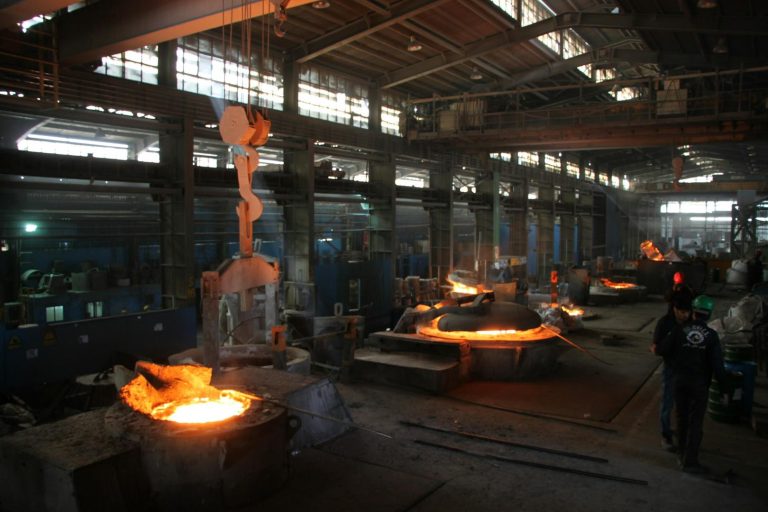
From smelters to servers: Alcoa to cash in on crypto’s thirst for energy

Alcoa, the global leader in aluminum production, is pivoting from traditional smelting operations to capitalize on the growing energy demands of cryptocurrency mining. With the surge in popularity of digital currencies, the company plans to leverage its extensive energy resources to power crypto mining facilities. This strategic shift not only aims to boost Alcoa's revenue but also aligns with the increasing need for sustainable energy solutions in the tech sector. As the crypto industry continues to expand, Alcoa's transition highlights a unique intersection of traditional manufacturing and modern technology, positioning the company for potential growth in this evolving market.

GalaxyOne Head Wants Retail Investors to Stake More, Predict Less

The head of GalaxyOne is urging retail investors to increase their stake in cryptocurrencies while shifting their focus away from short-term predictions. Emphasizing the importance of long-term investment strategies, he believes that a more substantial commitment from retail investors can contribute to market stability and growth. The call comes amid ongoing volatility in the crypto market, where speculative trading often overshadows foundational investment principles. By advocating for a more measured approach, GalaxyOne aims to foster a more resilient investment community that prioritizes sustainability over fleeting trends.

AI chip startup Cerebras files for IPO

Cerebras Systems, a pioneering AI chip startup known for its innovative hardware designed to accelerate artificial intelligence workloads, has officially filed for an initial public offering (IPO). The company, which gained attention for its massive Wafer Scale Engine, aims to capitalize on the growing demand for advanced computing solutions in the AI sector. Cerebras has positioned itself at the forefront of the AI revolution, attracting significant investments and partnerships. With the IPO, the company seeks to further expand its operations and enhance its technology offerings, tapping into the lucrative market for AI infrastructure.

AI is increasingly eating into VC fundings and here is how crypto firms are adapting

As venture capital funding shifts increasingly towards artificial intelligence, crypto firms are strategizing to stay competitive in this evolving landscape. Many companies in the cryptocurrency sector are pivoting their business models and integrating AI technologies to attract investment and enhance their offerings. This trend highlights the growing intersection between AI and blockchain, as firms seek to leverage advanced technologies to innovate and optimize operations. By embracing AI, crypto companies aim to not only secure funding but also position themselves for future growth in a rapidly changing market.

Binance and Bitget to probe RAVE’s 4,500% token surge as claims of insider-orchestrated rally grow

Binance and Bitget are launching investigations into the recent explosive 4,500% surge of the RAVE token, amid rising concerns that the rally may have been orchestrated by insiders. The dramatic price increase has sparked allegations of market manipulation, prompting both cryptocurrency exchanges to scrutinize trading activities associated with RAVE. This surge has drawn attention not only for its scale but also for the potential implications it holds for investor confidence in the crypto market. As regulatory scrutiny intensifies, the outcome of these investigations could have significant repercussions for the broader cryptocurrency ecosystem.

The Lightning Network isn’t ‘helplessly broken’

The Lightning Network, a layer-2 solution designed to enhance Bitcoin's transaction speed and scalability, is facing scrutiny but is not as flawed as some critics suggest. Recent discussions highlight its ongoing development and improvements that address earlier limitations, such as transaction fees and liquidity issues. Advocates argue that the network's ability to facilitate instant payments while reducing congestion on the Bitcoin blockchain is crucial for its future. As developers continue to innovate, the Lightning Network is positioned to play a significant role in Bitcoin's usability, challenging the notion that it is "helplessly broken." Overall, its evolution reflects the broader advancements in cryptocurrency technology.