Why Tokyo is the most important tech destination of 2026

Tokyo is poised to become the leading tech destination by 2026, driven by its robust infrastructure, innovative startups, and a strong emphasis on research and development. The city's unique blend of traditional culture and cutting-edge technology creates an attractive environment for both local and international talent. With significant investments in artificial intelligence, robotics, and sustainable technologies, Tokyo is positioning itself at the forefront of the global tech landscape. Additionally, government initiatives aimed at fostering entrepreneurship and attracting foreign businesses further enhance its appeal as a hub for technological advancement. As the world shifts towards digital transformation, Tokyo is set to play a pivotal role in shaping the future of technology.

Apple under Ternus: what comes next for the tech giant’s hardware strategy

Under the leadership of Greg Ternus, Apple is poised to redefine its hardware strategy, focusing on innovation and sustainability. Ternus, who has been with Apple for over two decades, is expected to prioritize the integration of advanced technologies and eco-friendly materials in new product lines. As the tech giant faces increasing competition and market pressures, Ternus aims to enhance user experience while maintaining Apple's reputation for quality. Analysts anticipate that his approach will not only streamline production processes but also align with the company’s commitment to environmental responsibility, setting the stage for a new era in Apple's hardware development.

Bitcoin at $40,000 would be 'near-unprecedented' statistical outcome, analyst says

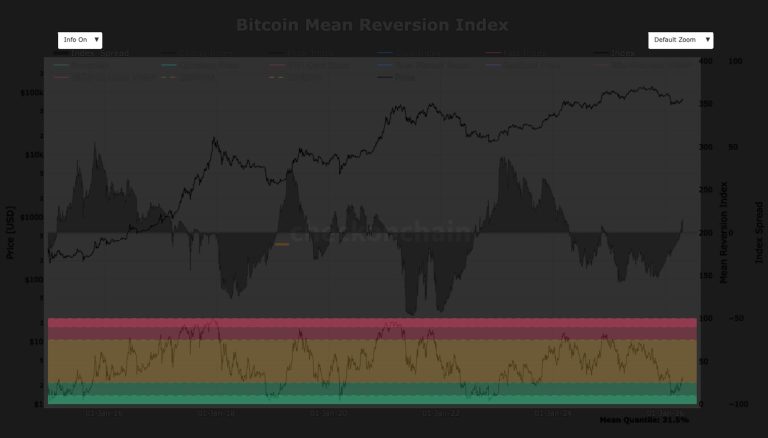
Analysts have labeled a Bitcoin price of $40,000 as a "near-unprecedented" statistical outcome, highlighting the cryptocurrency's volatile nature. Current market trends suggest that while Bitcoin has experienced significant fluctuations, reaching this price point would defy historical patterns. The analysis reflects growing investor interest and speculation surrounding Bitcoin, particularly as regulatory developments and macroeconomic factors continue to shape the cryptocurrency landscape. As Bitcoin approaches this milestone, market watchers are keenly observing for signs of momentum and potential implications for the broader financial ecosystem.

CFTC sues New York over bid to apply gambling laws to prediction markets

The Commodity Futures Trading Commission (CFTC) has filed a lawsuit against New York State, challenging its attempt to impose gambling laws on prediction markets. The CFTC argues that these markets, which allow participants to bet on future events, should be regulated under federal guidelines rather than state gambling laws. This legal battle highlights the ongoing debate over the regulation of emerging financial instruments and the boundaries between gambling and trading. The outcome could have significant implications for the future of prediction markets and their role in the broader financial landscape.

Europe’s banks are going all in on crypto

European banks are increasingly embracing cryptocurrencies, signaling a significant shift in the financial landscape. Major institutions are not only offering crypto-related services but are also investing in blockchain technology to enhance their operations. This trend comes amid growing regulatory clarity and consumer demand for digital assets, prompting banks to adapt and innovate. As traditional finance intersects with the crypto world, European banks are positioning themselves to capture new market opportunities and cater to a tech-savvy clientele. This evolution reflects a broader acceptance of cryptocurrencies as a legitimate component of the financial system.

Coinbase’s Jesse Pollak says AI agents are the next big wave for crypto payments

Jesse Pollak, a key figure at Coinbase, has highlighted the potential of AI agents to revolutionize crypto payments, suggesting they could be the next significant advancement in the industry. As cryptocurrency continues to evolve, Pollak envisions AI-driven solutions enhancing transaction efficiency and user experience. He believes that integrating artificial intelligence into payment systems could streamline processes and increase accessibility for users. This innovation aligns with the growing trend of leveraging technology to improve financial transactions, positioning the crypto sector for substantial growth. Pollak's insights underscore the importance of adapting to emerging technologies to stay competitive in the rapidly changing financial landscape.

🐋 DeepSeek V4 admits it's 3-6 months behind. The architecture says otherwise.

DeepSeek V4, a prominent player in the AI and machine learning landscape, has acknowledged that its latest version is running 3-6 months behind schedule. Despite this delay, the architecture of DeepSeek V4 suggests significant advancements that could enhance its performance and capabilities. The company is working diligently to address the setbacks and aims to deliver a product that meets the high expectations of its user base. As competition in the AI field intensifies, the implications of this delay could impact DeepSeek's market position and future innovations.

Bitcoin traders eye $73K next as weekly trend line holds price hostage

Bitcoin traders are closely watching the cryptocurrency's price as it hovers around a crucial weekly trend line, which has become pivotal in determining its next movement. Currently, Bitcoin is testing resistance levels, with analysts predicting that a breakout could push the price towards the $73,000 mark. Market sentiment remains cautious but optimistic, as traders assess various factors influencing price fluctuations, including macroeconomic trends and regulatory developments. The outcome of this price action could significantly impact the broader cryptocurrency market, making it a critical moment for investors and enthusiasts alike.

Kalshi, Polymarket among 27 prediction platforms banned in Brazil

Brazil has banned 27 prediction markets, including popular platforms Kalshi and Polymarket, citing concerns over gambling regulations and consumer protection. The decision by the Brazilian government aims to curb unregulated betting activities, as these platforms allow users to wager on various events, from political outcomes to sports results. The move reflects Brazil's ongoing efforts to regulate online gambling and ensure compliance with local laws. As a result, users of these platforms in Brazil will no longer be able to participate in prediction markets, highlighting the challenges faced by international betting companies in navigating diverse legal landscapes.

Clock is ticking for bitcoin to prevent quantum threat as it could drain 6.9 million BTC including Satoshi’s

The looming threat of quantum computing poses a significant risk to Bitcoin, potentially jeopardizing 6.9 million BTC, including those attributed to its mysterious creator, Satoshi Nakamoto. Experts warn that advancements in quantum technology could enable hackers to breach Bitcoin's cryptographic security, leading to the loss of a substantial portion of the cryptocurrency's total supply. As the clock ticks, the Bitcoin community is urged to adopt quantum-resistant technologies to safeguard their assets. The urgency of the situation highlights the need for proactive measures to ensure the longevity and security of Bitcoin in an evolving technological landscape.