Month June 2026

Clarity Act survival depends on the U.S. Senate getting a lot of non-crypto work done
The future of the Clarity Act, which aims to provide regulatory clarity for digital assets in the U.S., hinges on the Senate's ability to address a range of non-crypto legislative priorities. As lawmakers face a packed agenda, including budget negotiations and critical infrastructure bills, the timely passage of the Clarity Act may be jeopardized. Advocates for digital asset regulation are urging the Senate to prioritize this legislation to foster innovation and protect consumers. The outcome could significantly influence the regulatory landscape for cryptocurrencies, emphasizing the need for a balanced approach in a rapidly evolving financial sector.


Morning Minute: Bitcoin Falls Below $67k as MSTR Plummets

Bitcoin's value has dipped below $67,000, marking a significant decline in the cryptocurrency market. This drop comes amid a sharp fall in shares of MicroStrategy (MSTR), a prominent business intelligence firm known for its substantial Bitcoin holdings. The decline in MSTR's stock has raised concerns among investors, impacting market sentiment around Bitcoin. Analysts are closely monitoring these developments, as they could signal broader implications for the cryptocurrency landscape. The situation highlights the volatility and interconnectedness of traditional stocks and digital assets, prompting investors to reassess their strategies.

Trezor Reveals Hardware Wallet Vulnerability, But Funds 'Safe'

Trezor, a leading manufacturer of hardware wallets, has disclosed a vulnerability in its devices that could potentially expose users to risks. The company emphasized, however, that customer funds remain secure and unaffected by this flaw. Trezor is actively working on a firmware update to address the issue and enhance security measures. Users are advised to remain vigilant and follow best practices for safeguarding their assets while awaiting the forthcoming updates. This incident highlights the ongoing challenges in the cryptocurrency security landscape and the importance of maintaining robust protective measures.

Live markets: bitcoin hits weakest level since late March as selling continues

Bitcoin has fallen to its lowest level since late March, reflecting a continued trend of selling pressure in the cryptocurrency market. The decline comes amid broader concerns about regulatory scrutiny and macroeconomic uncertainties that have shaken investor confidence. Analysts suggest that the cryptocurrency's volatility is exacerbated by a lack of clear direction in the market, leading many traders to adopt a cautious stance. As Bitcoin struggles to maintain its value, the overall sentiment in the crypto space remains uncertain, prompting discussions about potential future recoveries or further declines.

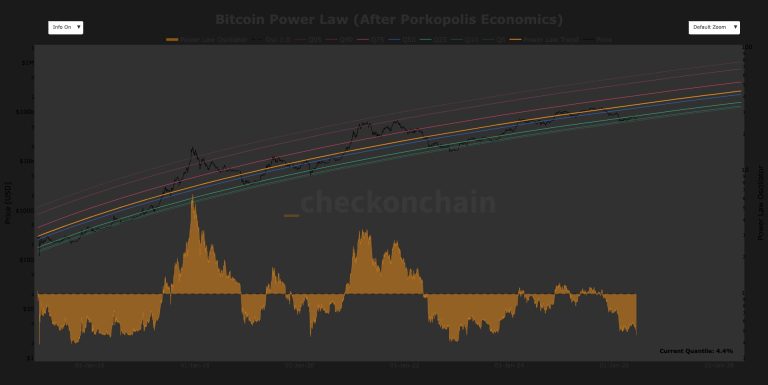
Bitcoin hits Power Law level low that historically precedes a rebound

Bitcoin has recently dropped to a historically significant low, reaching levels that have typically preceded market rebounds in the past. Analysts point to the power law dynamics that suggest this downturn could signal a potential turnaround for the cryptocurrency. As market sentiment fluctuates, many investors are closely monitoring this threshold, hoping for a resurgence in value. The current situation highlights the volatile nature of Bitcoin, which continues to capture the attention of traders and enthusiasts alike. With historical patterns suggesting a rebound may be on the horizon, the cryptocurrency community remains cautiously optimistic.

Grayscale launches lowest-fee U.S. Hyperliquid ETF as competition heats up around HYPE

Grayscale has introduced the lowest-fee Hyperliquid ETF in the U.S., positioning itself strategically in a rapidly evolving market. This new fund aims to attract investors by offering competitive pricing amid growing competition in the exchange-traded fund space. The launch comes as interest in innovative investment products surges, particularly those linked to digital assets and cryptocurrencies. Grayscale's move reflects its commitment to expanding its product offerings while catering to a diverse range of investors seeking cost-effective options. With this initiative, the company seeks to capitalize on the increasing demand for ETFs that blend traditional finance with digital innovation.

George Santos Referred to DOJ, CFTC Over State of the Union Kalshi Trades: Report

Rep. George Santos has been referred to the Department of Justice (DOJ) and the Commodity Futures Trading Commission (CFTC) following allegations related to his trading activities during the State of the Union address. The referral stems from concerns that Santos may have engaged in insider trading by betting on the outcome of political events through the Kalshi platform, which allows users to trade on event outcomes. This development adds to the scrutiny surrounding Santos, who has faced numerous controversies since taking office. Investigations into his trading practices could further impact his political career as he navigates ongoing legal and ethical challenges.

Mastercard expands support to USDC, PYUSD, RLUSD stablecoin settlement

Mastercard has announced its expansion into the realm of stablecoin settlements by adding support for USDC, PYUSD, and RLUSD. This move aims to facilitate faster and more efficient transactions within the blockchain ecosystem, enhancing the utility of these stablecoins in everyday commerce. By integrating these digital currencies into its payment network, Mastercard is positioning itself at the forefront of the evolving financial landscape, catering to the growing demand for cryptocurrency solutions. This initiative underscores the company's commitment to innovation and its response to the increasing acceptance of stablecoins in the global market.

Payment giants Stripe, Visa, Mastercard said to be among backers of soon-to-debut stablecoin platform

Payment giants Stripe, Visa, and Mastercard are reportedly backing a new stablecoin platform set to launch soon. This initiative aims to enhance the digital currency landscape by providing a reliable and secure means of transaction. The involvement of these major financial players underscores the growing acceptance of cryptocurrencies and stablecoins within traditional finance. As the platform prepares for its debut, it is expected to attract significant attention and potentially reshape how businesses and consumers engage with digital currencies. The collaboration highlights a pivotal moment in the evolution of payment systems in an increasingly digital economy.

Crypto PACs go undefeated in June primaries as Fairshake scores bipartisan winning streak

In June, cryptocurrency political action committees (PACs) achieved a remarkable winning streak in primary elections, showcasing their growing influence in the political landscape. Notably, Fairshake, a bipartisan initiative, played a pivotal role in supporting candidates who advocate for favorable cryptocurrency regulations. The success of these PACs highlights the increasing recognition of the crypto sector's potential impact on the economy and governance. As candidates backed by these groups continue to secure victories across party lines, the movement signals a shift towards more robust engagement with digital currency policies in upcoming elections. This trend could reshape the political discourse surrounding cryptocurrency and its regulation.